Highlights from the international workshop and summer School
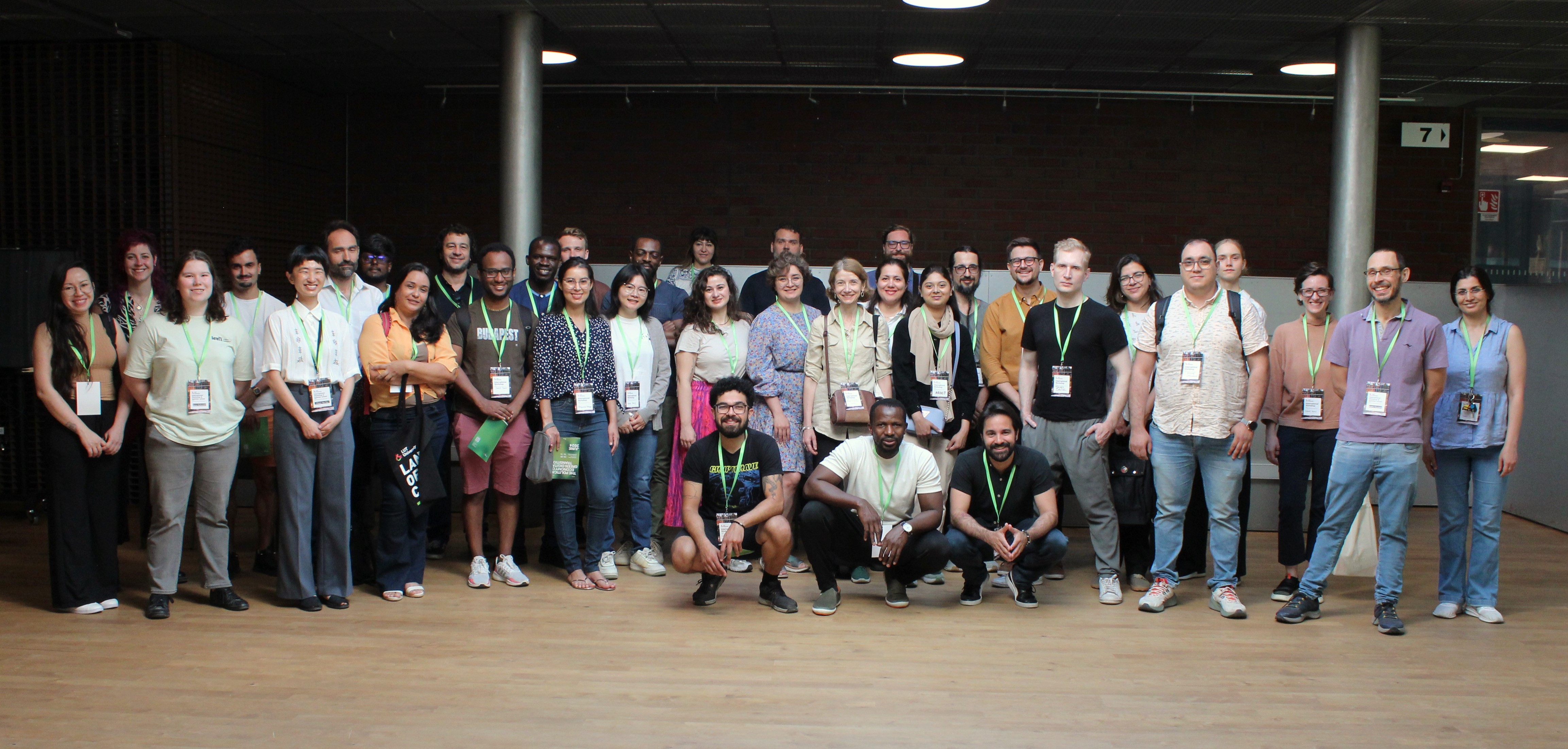
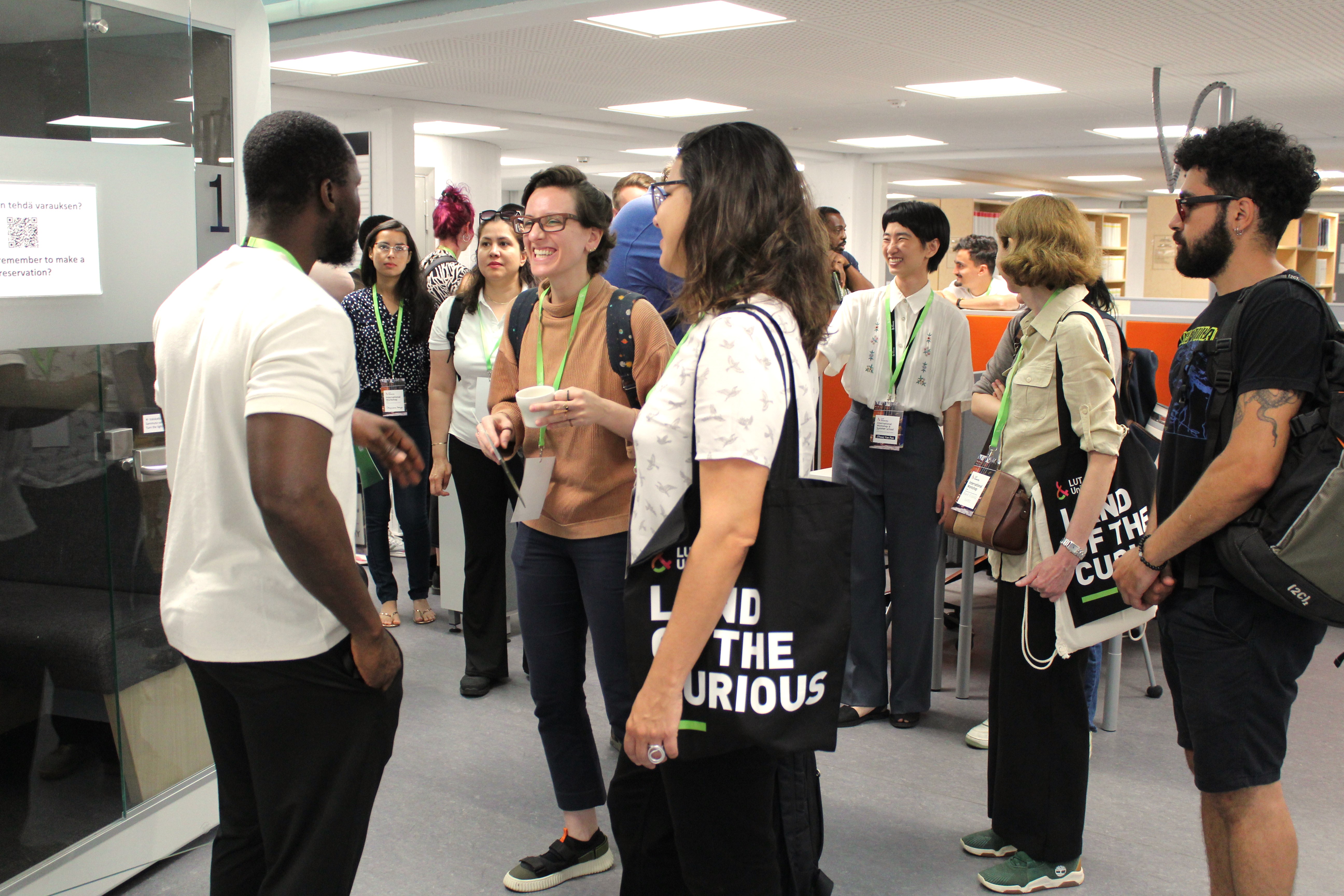
The International Workshop & Summer School on the Political Economy of Green-Digital Transition just took place during 4 – 6 and 10 – 14 June, and we are excited to share with you some of the highlights from the event. We had productive intellectual and social interactions with 14 renowned speakers and over 50 young researchers over presentations, debates, meals, forest walks and saunas.
Here is a brief recap of what we covered in the talks and presentations.
At the workshop, Edemilson Paraná, from LUT University, questioned the discourse of the green-digital transition by bringing forth its underpinning ideologies and exploring the socio-economic and environmental implications of the twin transition. Rodrigo Santaella, Pedro Nardelli, from LUT University, and Cédric Durand, from University of Geneva, explored the potential role of democratic, decentralised, planning—as an alternative to market-based technical solutionism—in addressing ecological crisis. Paola Tubaro, from Centre National de la Recherche Scientifique, revealed the human and environmental footprints of AI in the Global South through case studies from Argentina and Madagascar that reveal the unequal global value chain of data work. Cecilia Rikap, from University College London, presented a history of planning of innovation and specifically the production of AI by intellectual monopoly big techs. James Steinhoff, University College Dublin, examined the emerging technology of hyper realistic 3D simulation as a tool for facilitating the infrastructural construction process, rendering a new general condition of production in capitalism.
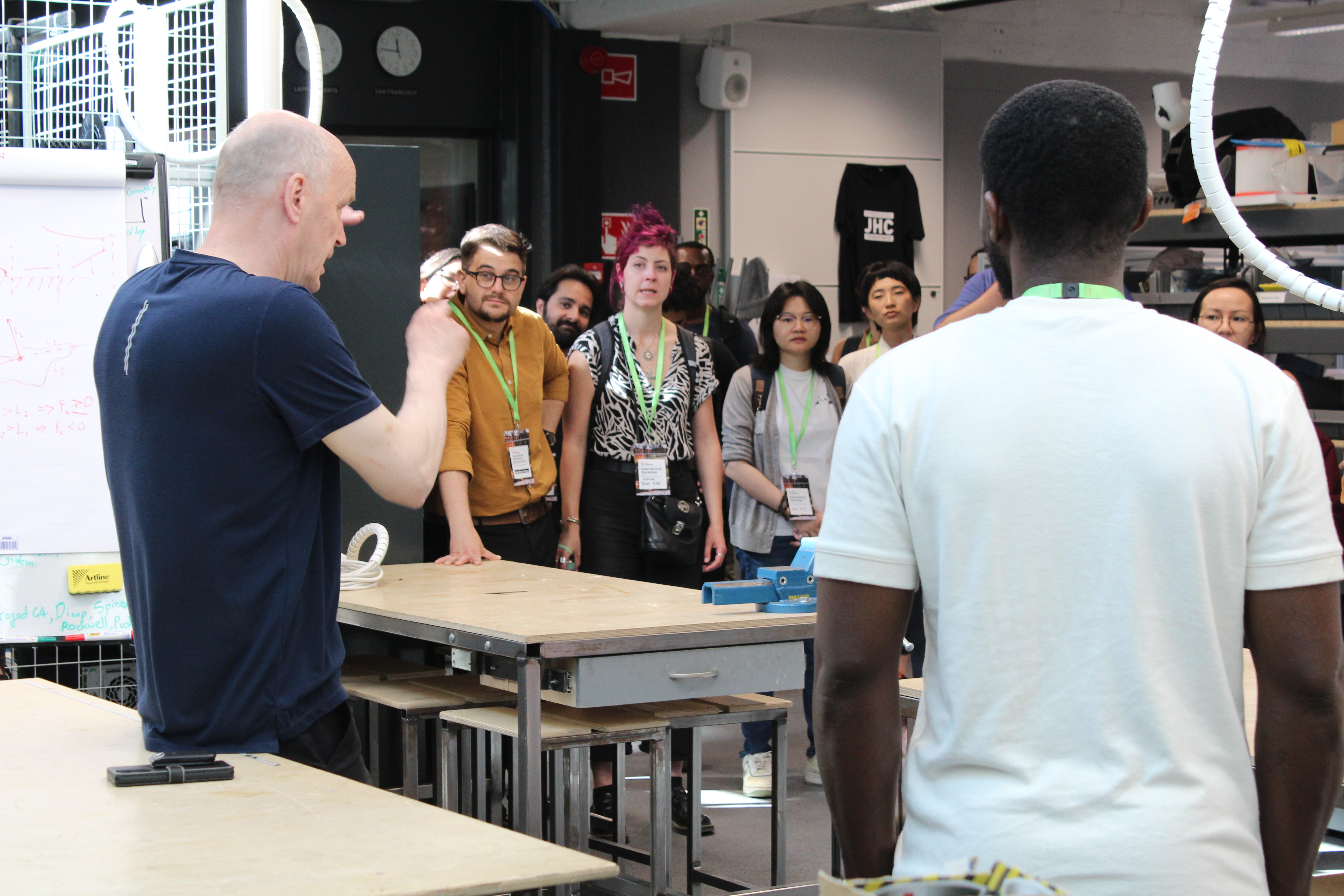
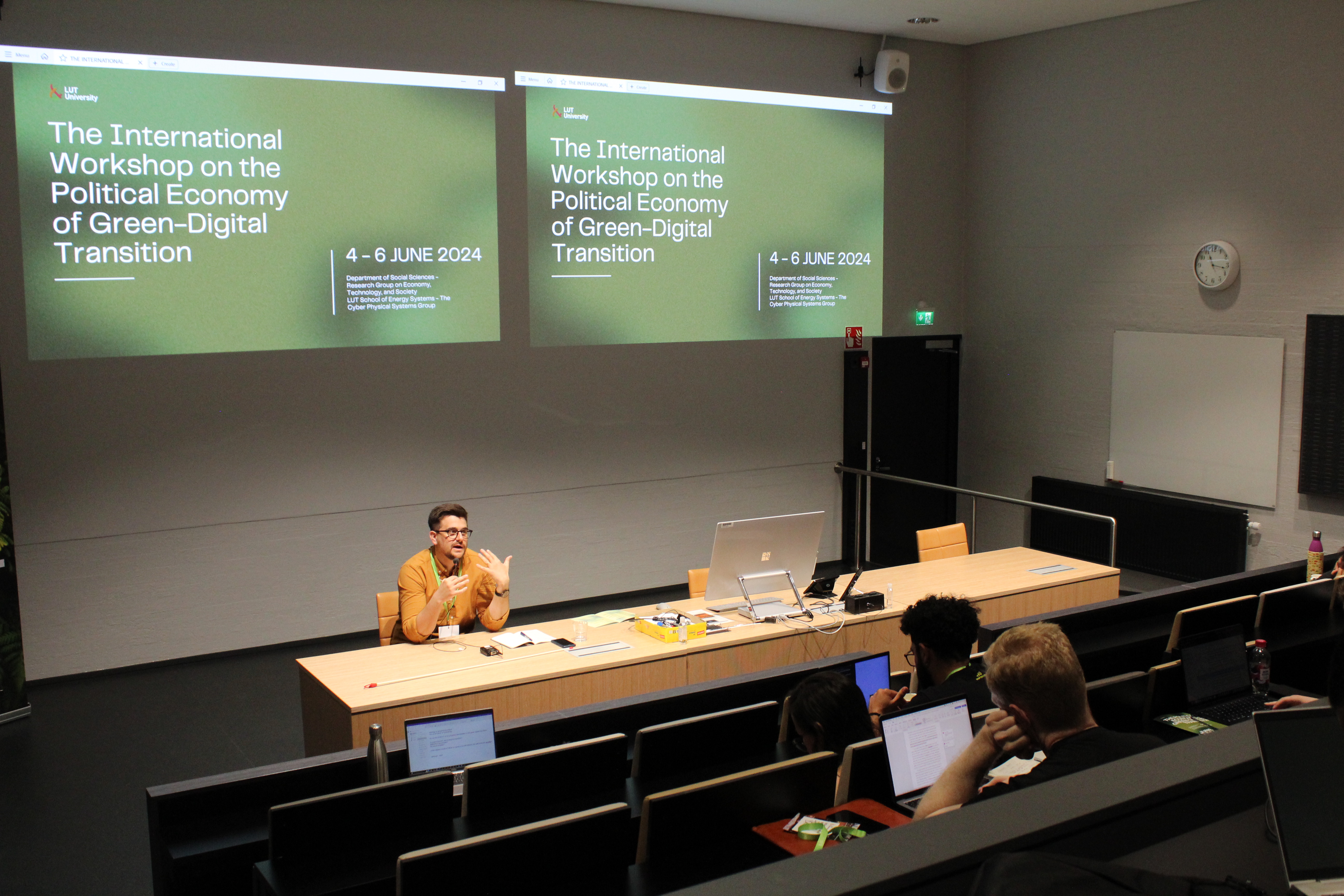

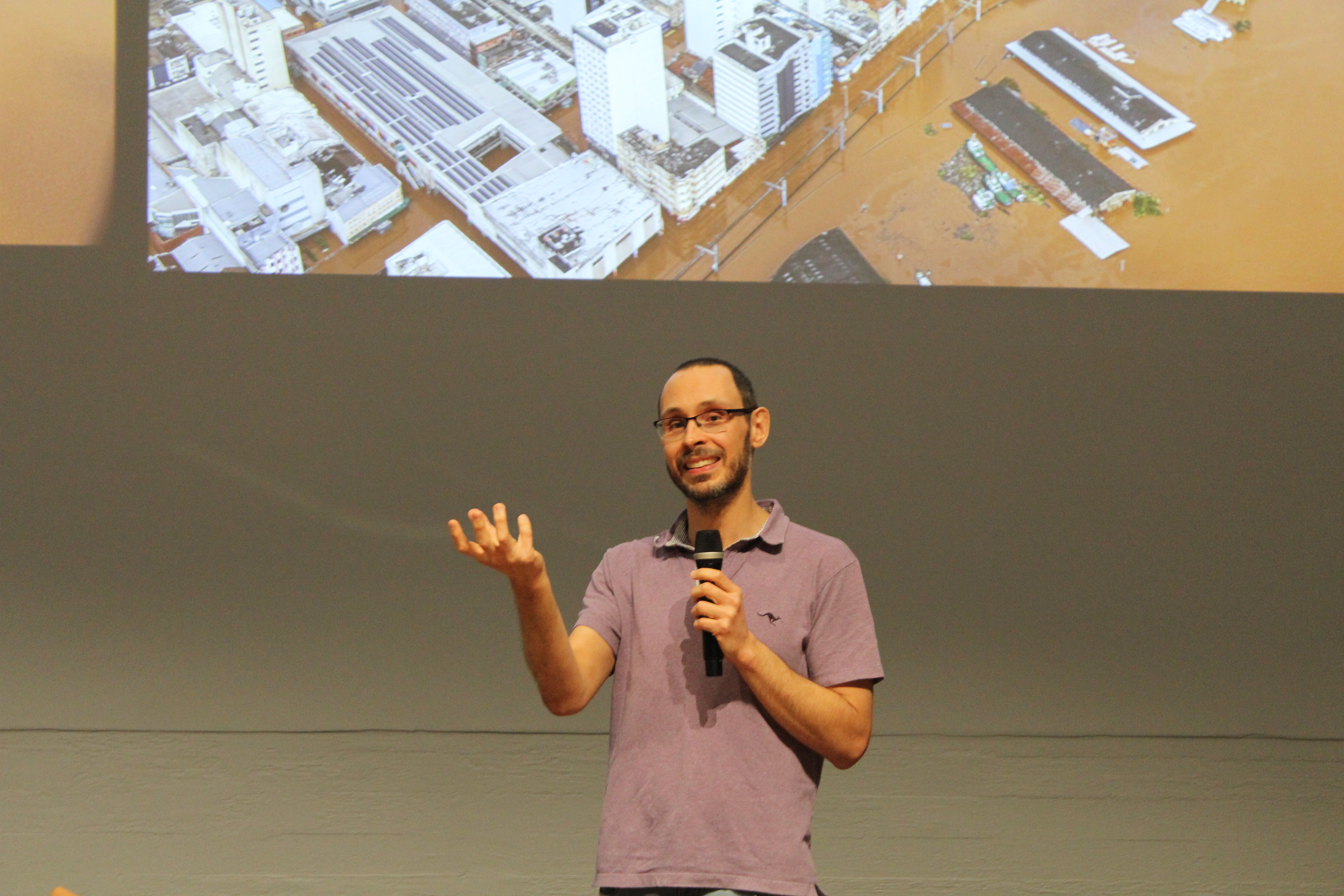
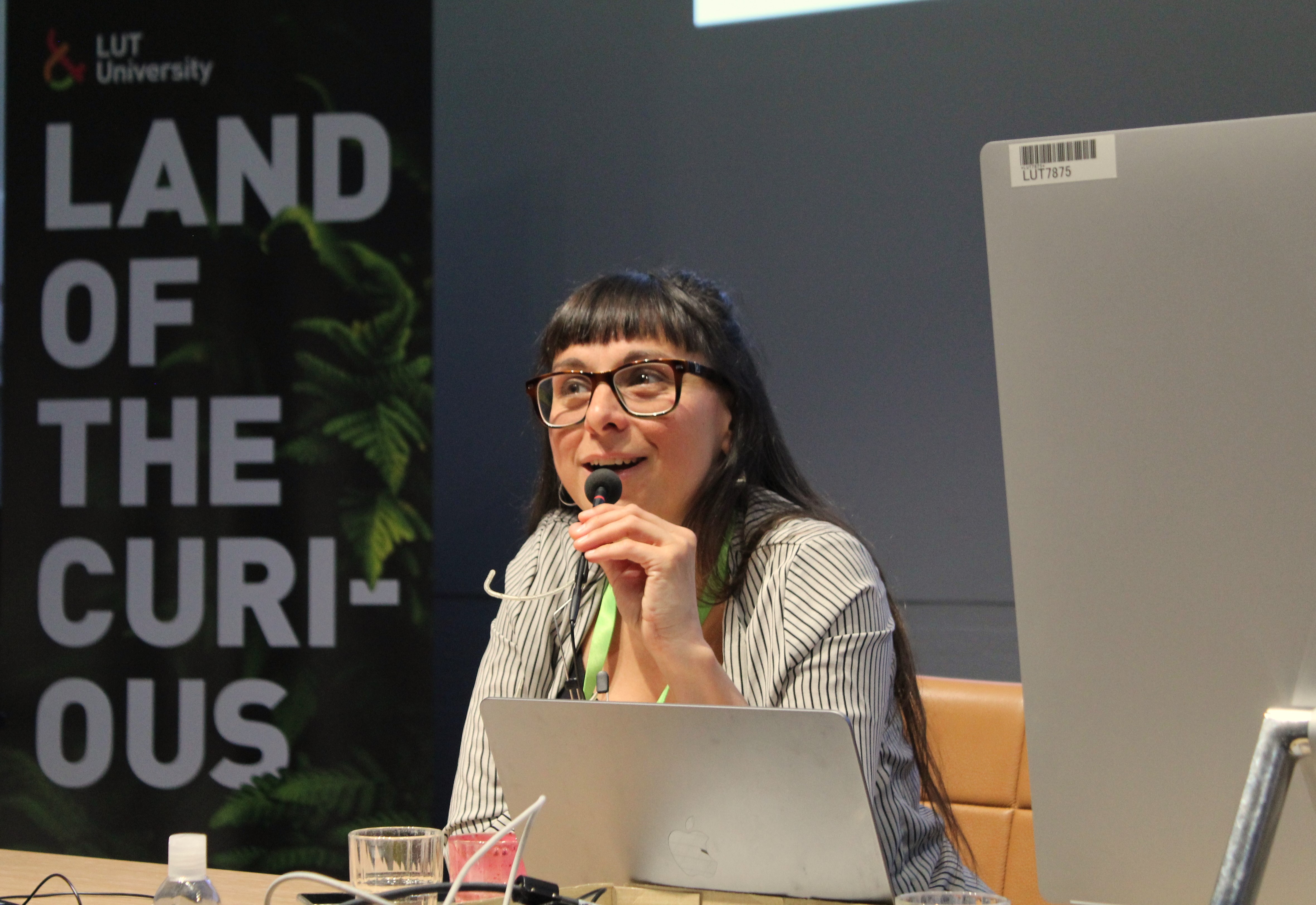
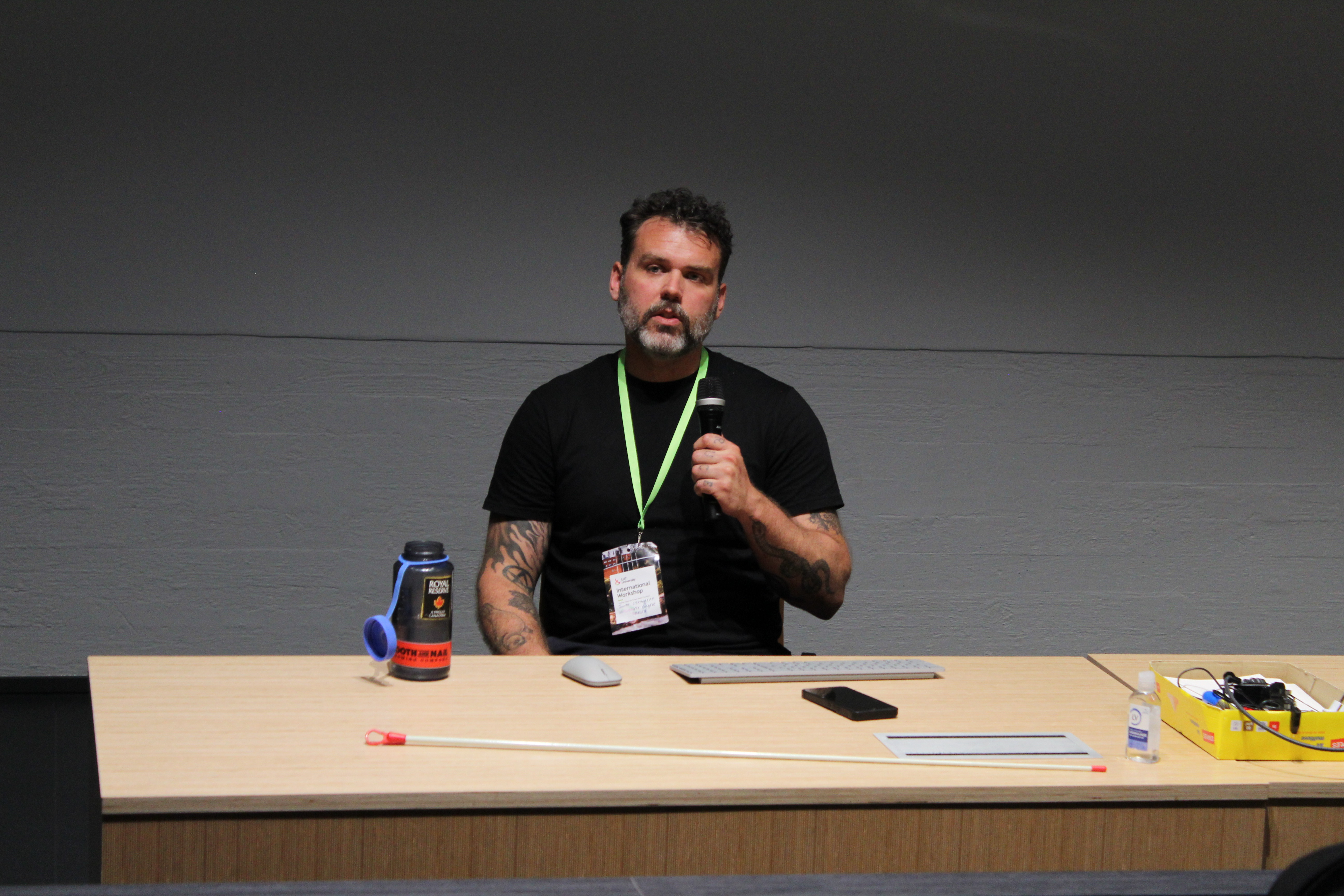
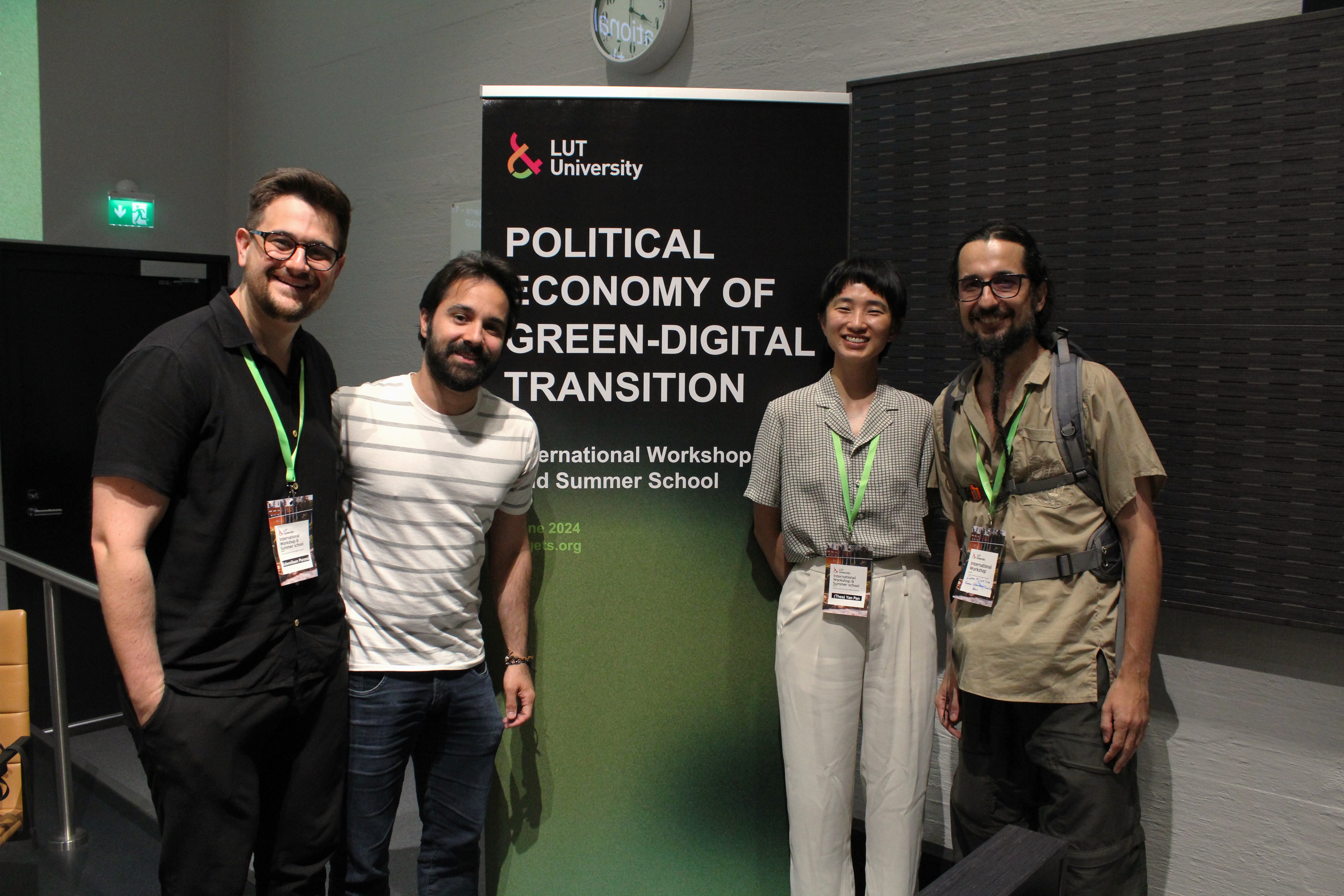
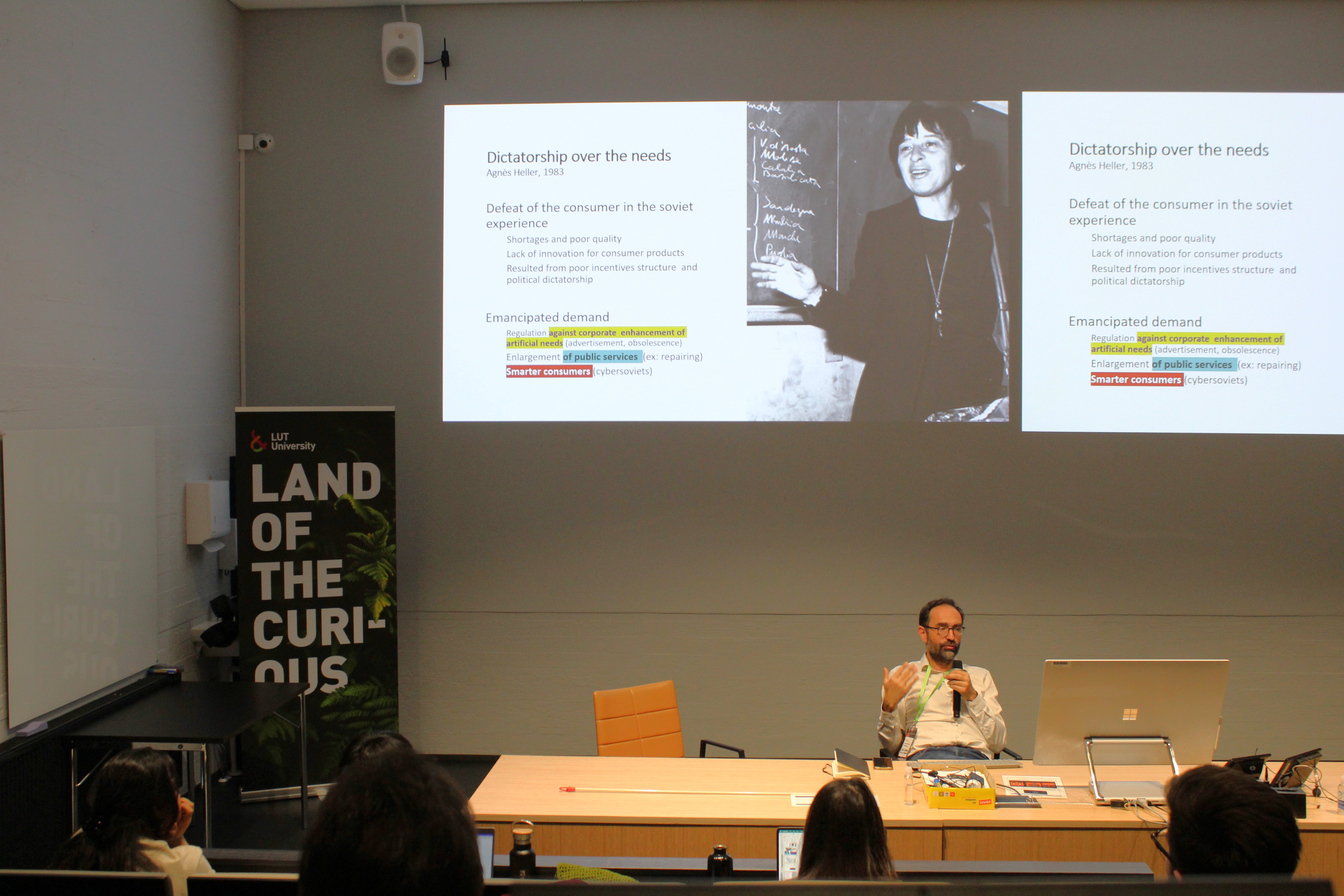
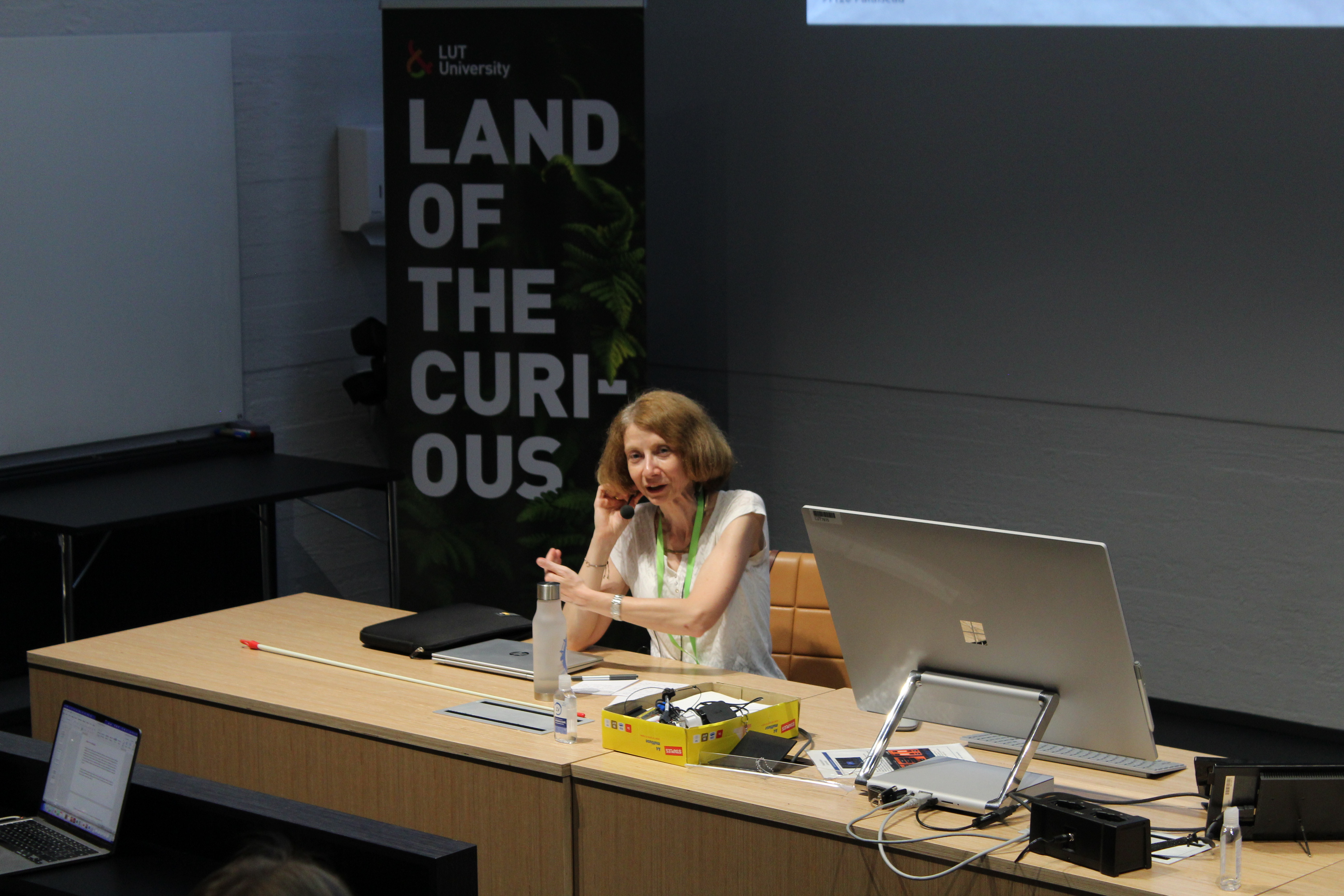
At the summer school, Markus Kröger, from University of Helsinki, introduced a framework to theorise the driving forces of global climate tipping points: extractivism, regionally dominate political economies and moral economies. Phoebe Moore, from University of Essex, delved into the rights of subjects in the age of datafication, questioning the notions of quantified, datafied self and the risks it brings to workers’ subjectivity. Malcolm Campbell-Verduyn, from University of Groningen, proposed the concept of knowledge infrastructure to counter the “growth infrastructure imperative” through a case study on bitcoin and blockchain as degrowth knowledge infrastructures. Antti Silvast, from LUT University, shared his insights on the institutional, disciplinary and funding impacts on interdisciplinary research through his ethnographic experiences in the UK, Norway and Finland. João C. Vieira-Magalhães, from University of Groningen, discussed the political economy of platform content moderation, elaborating on how platforms change politics through the rules of speech governance, as well as the relations between economic incentives and content moderation. Beliz Boni, from Alameda Institute, highlighted the increasing influence of big tech in media, particularly through micro-media and questioned the ads-driven profit motive of these micro-media in conveying messages for climate industries. Paolo Gerbaudo, from Complutense University Madrid, delivered a critical examination of the twin transition through reading the Next Gen EU programme, in which he analysed the tendencies and shortcoming of EU’s return to state planning and new forms of exclusion related to digitalised states.
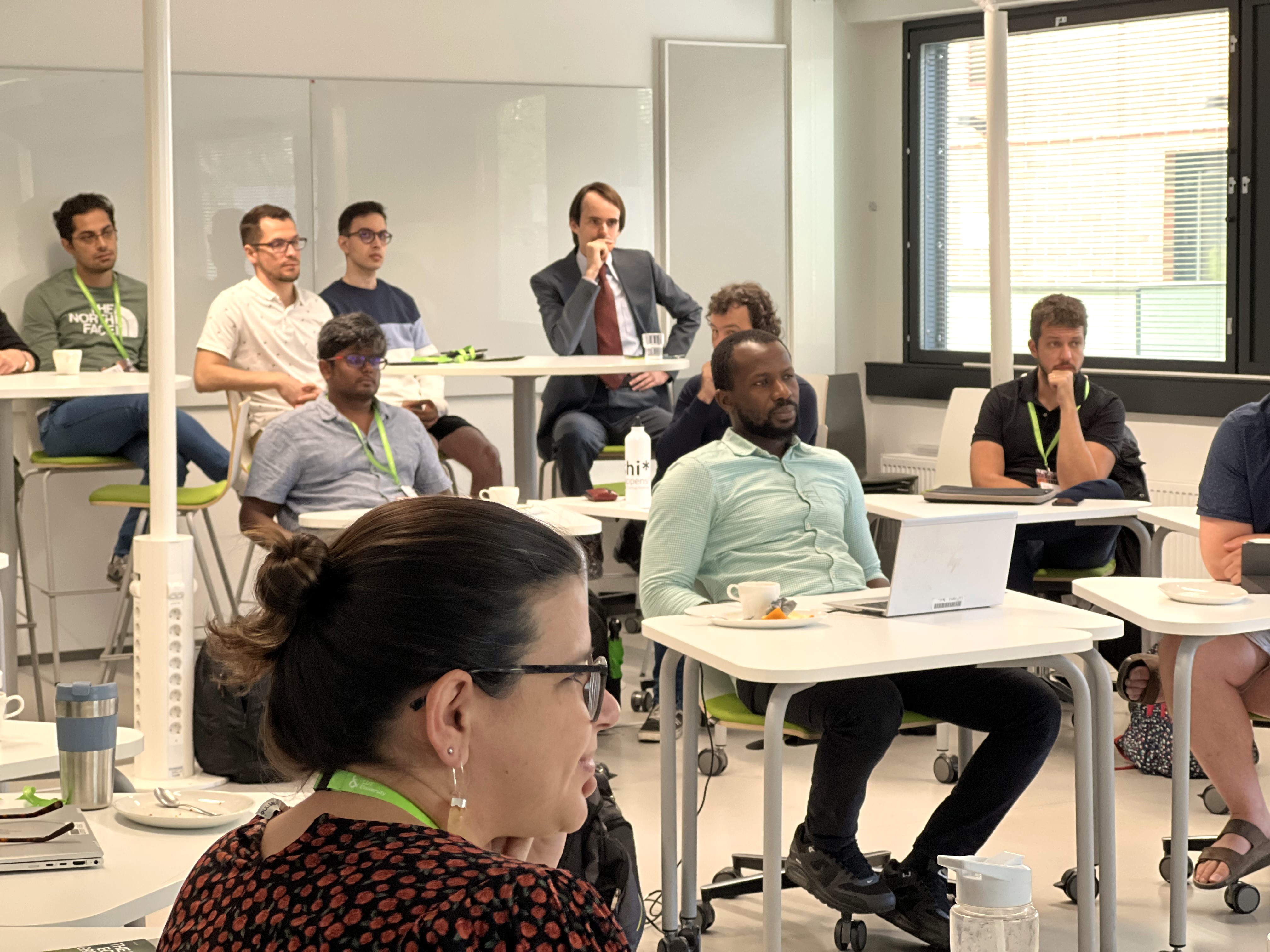
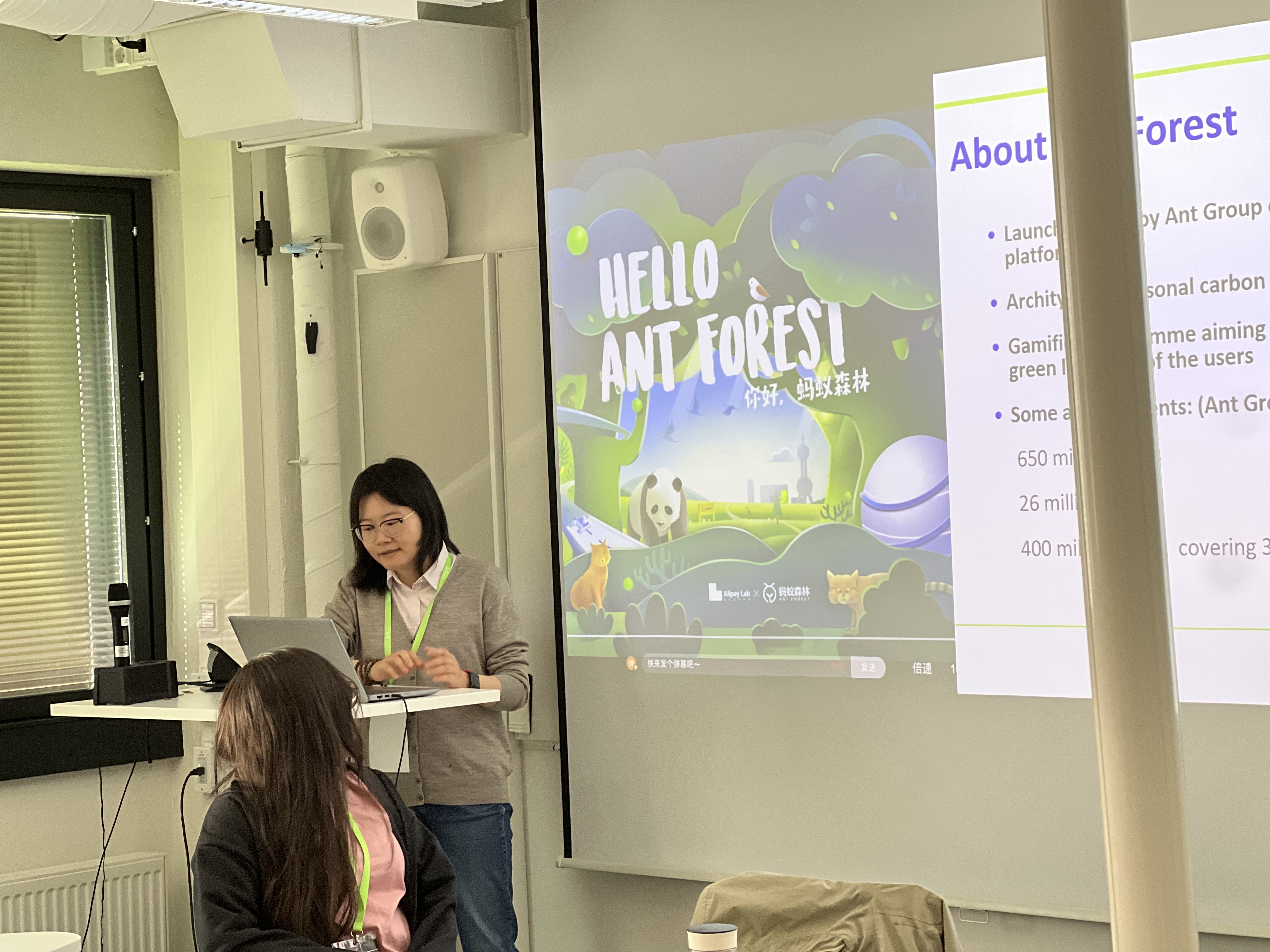
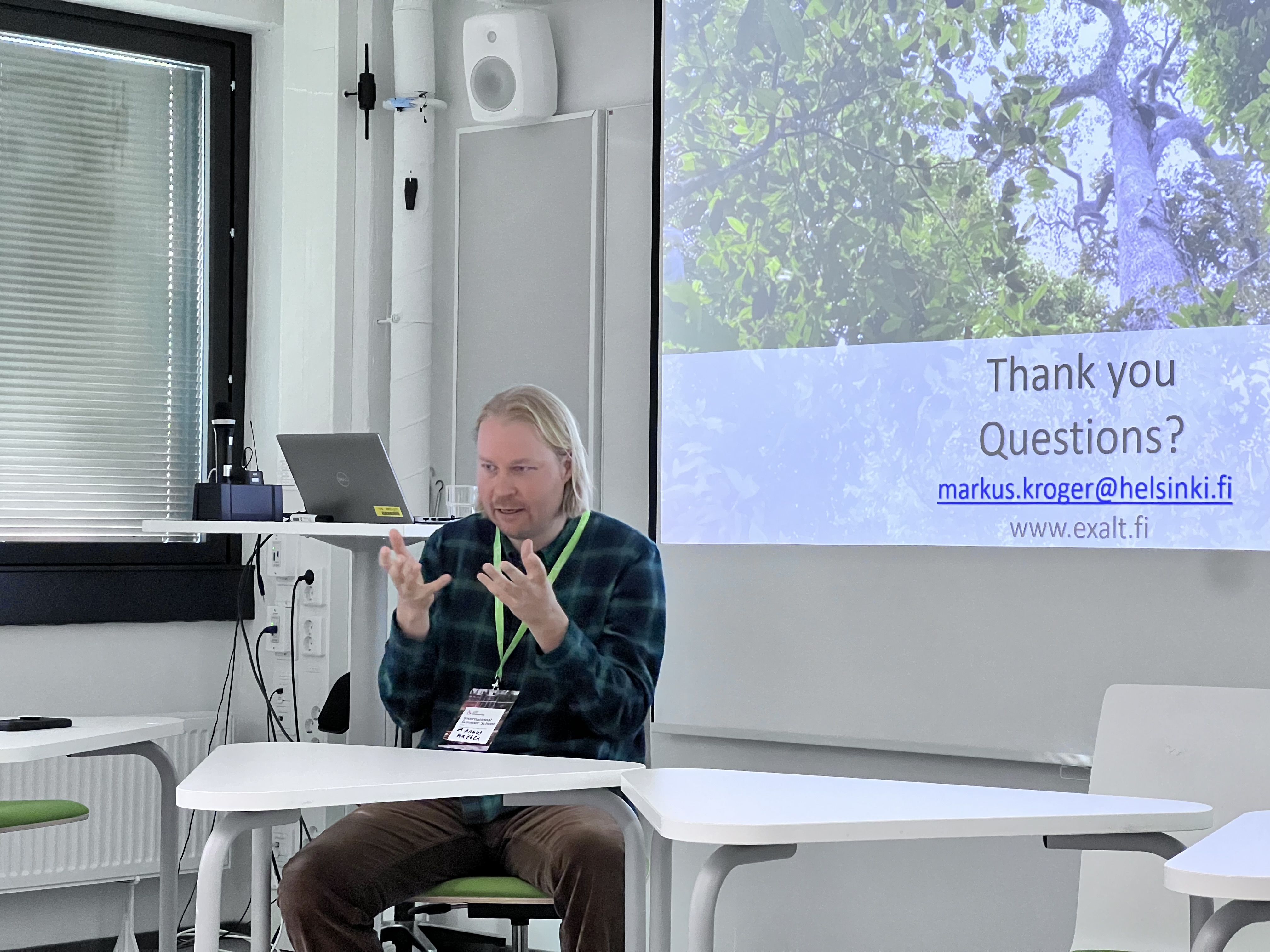
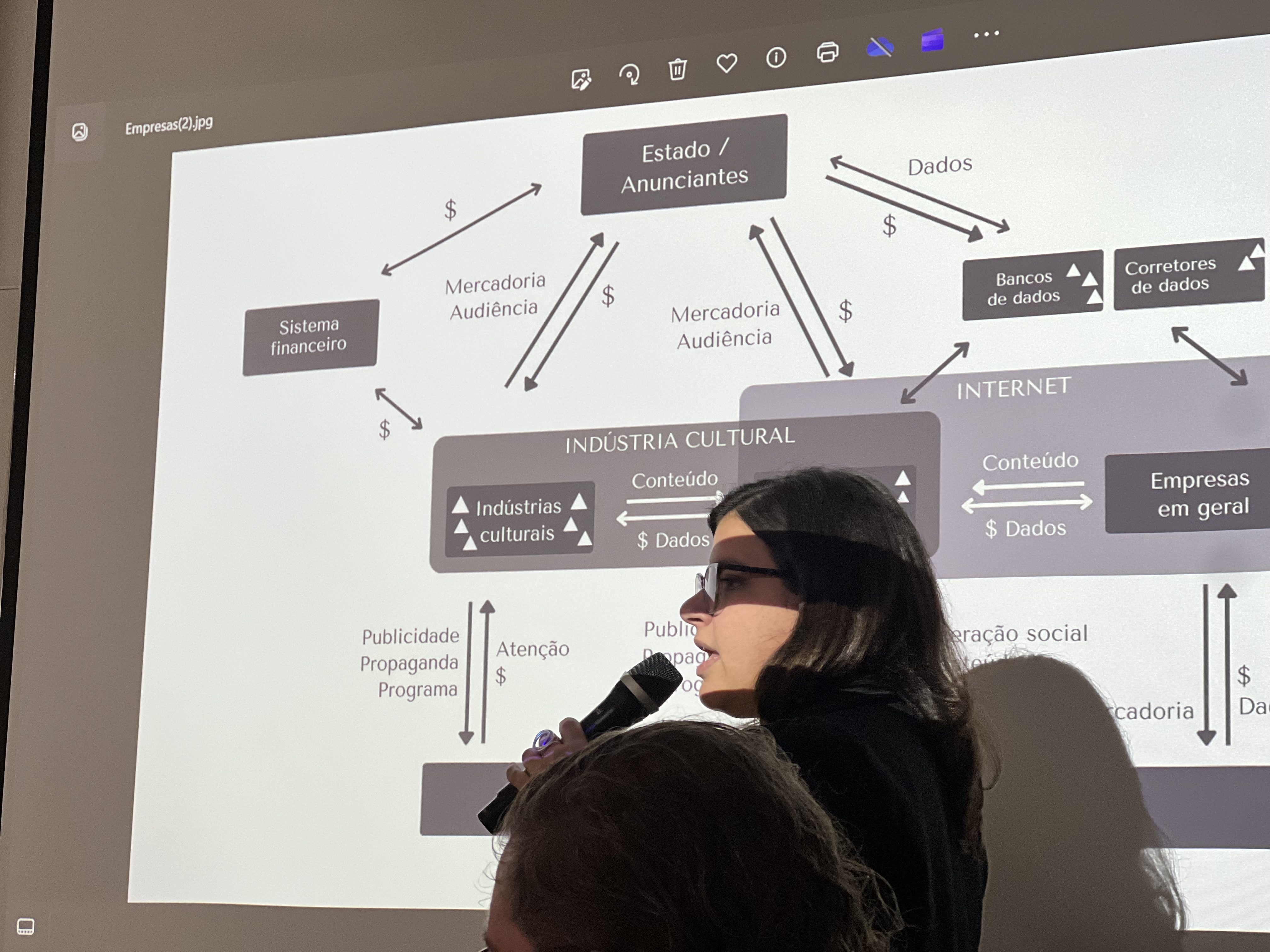
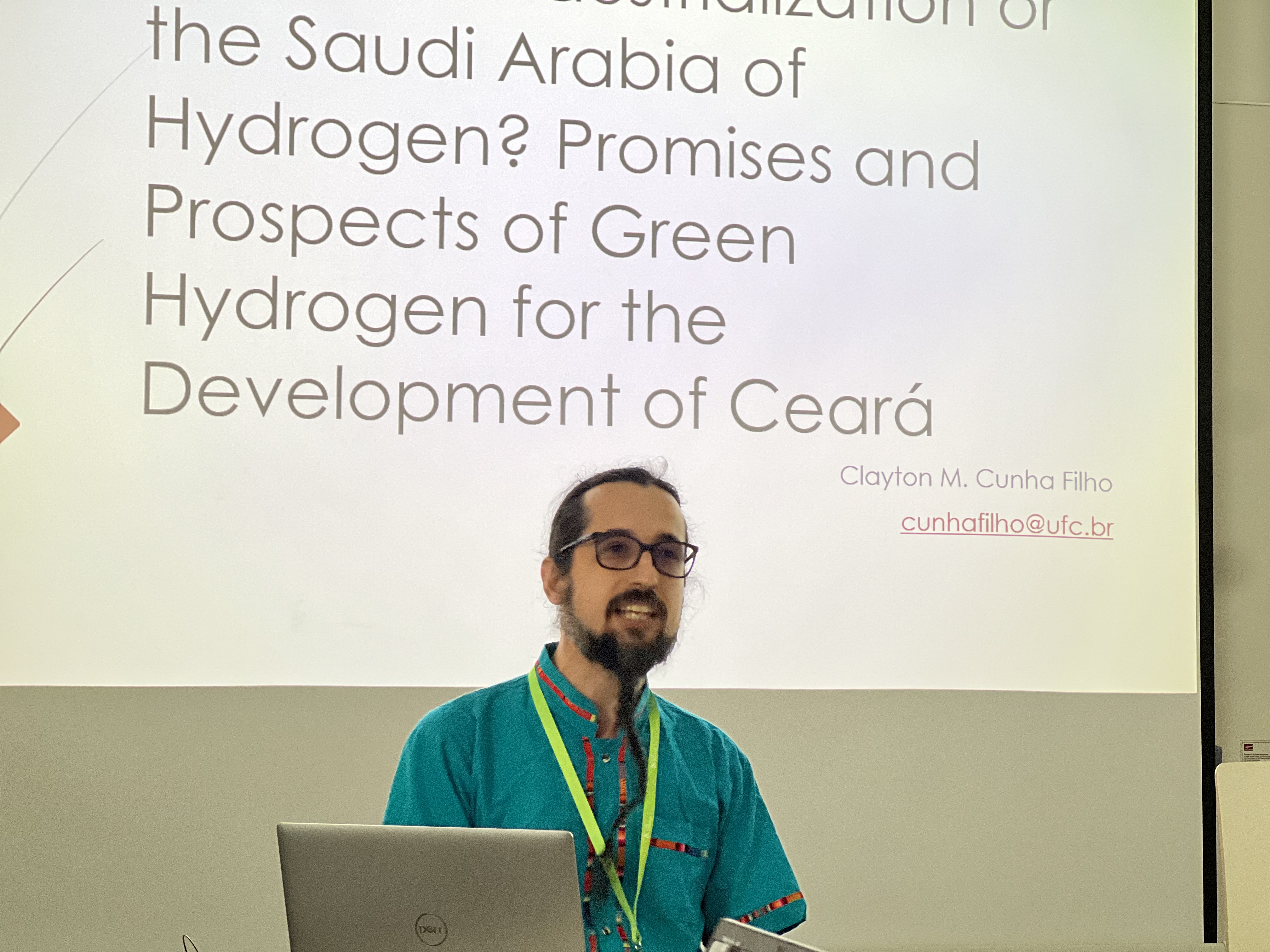
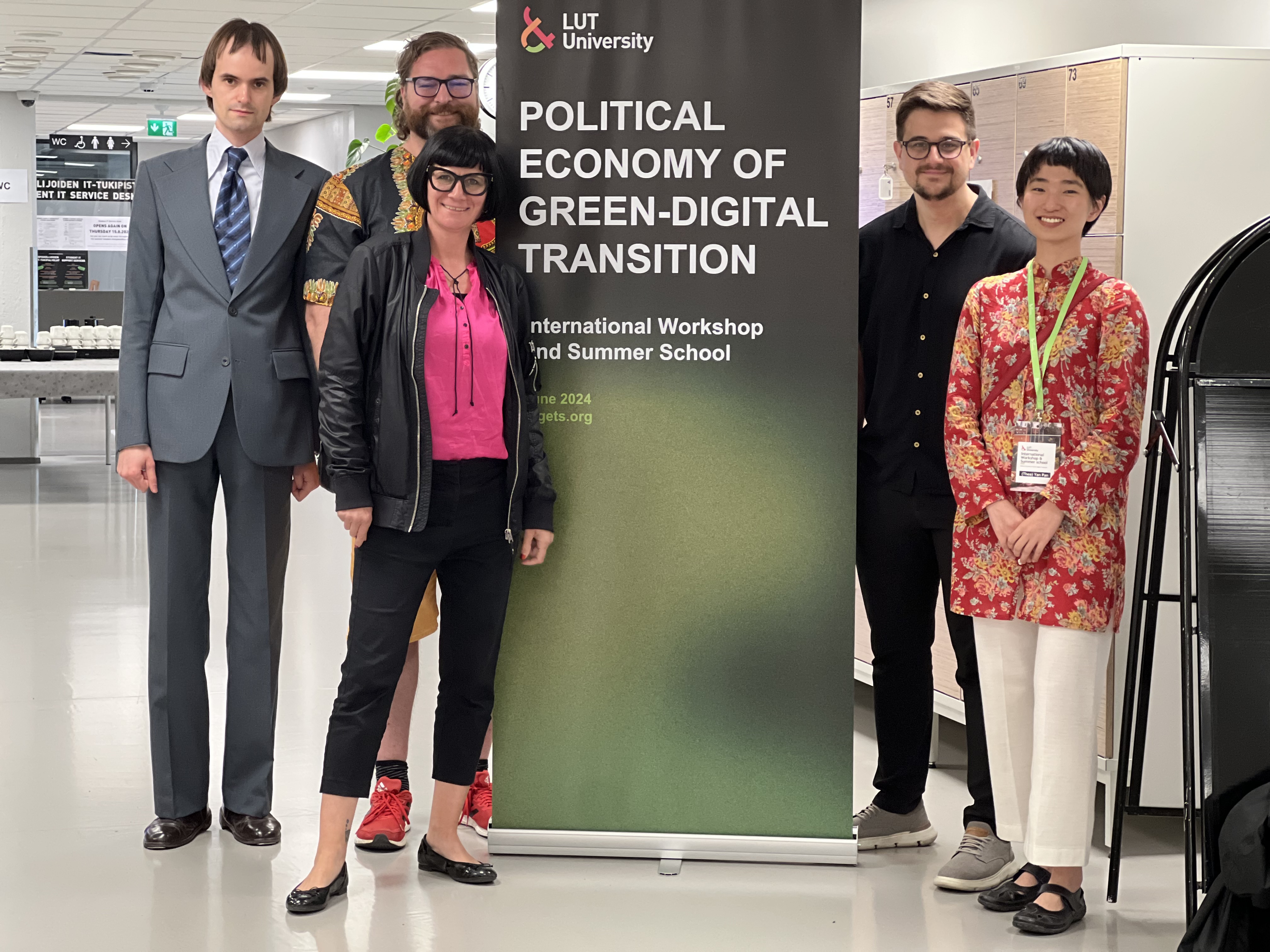
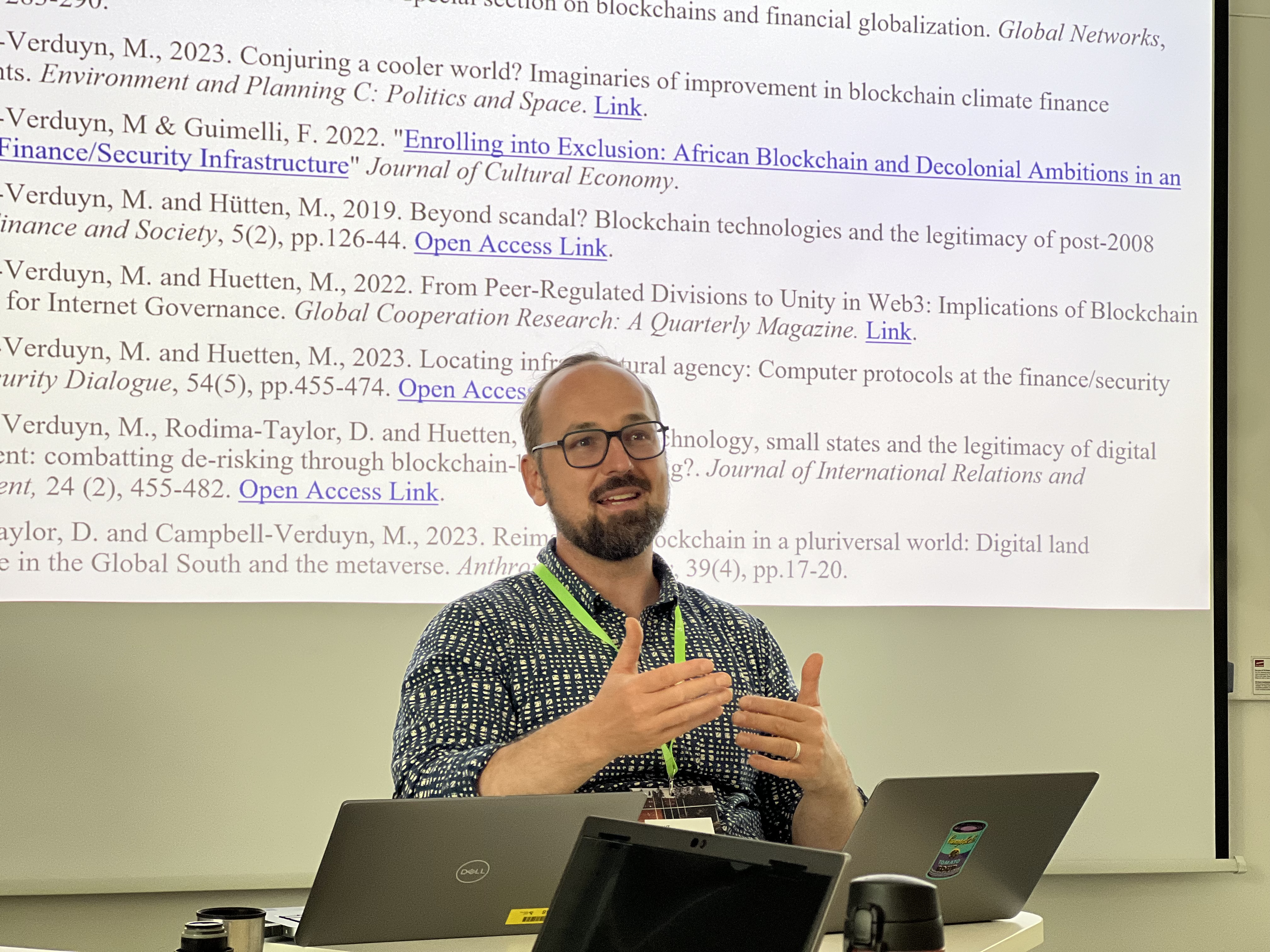
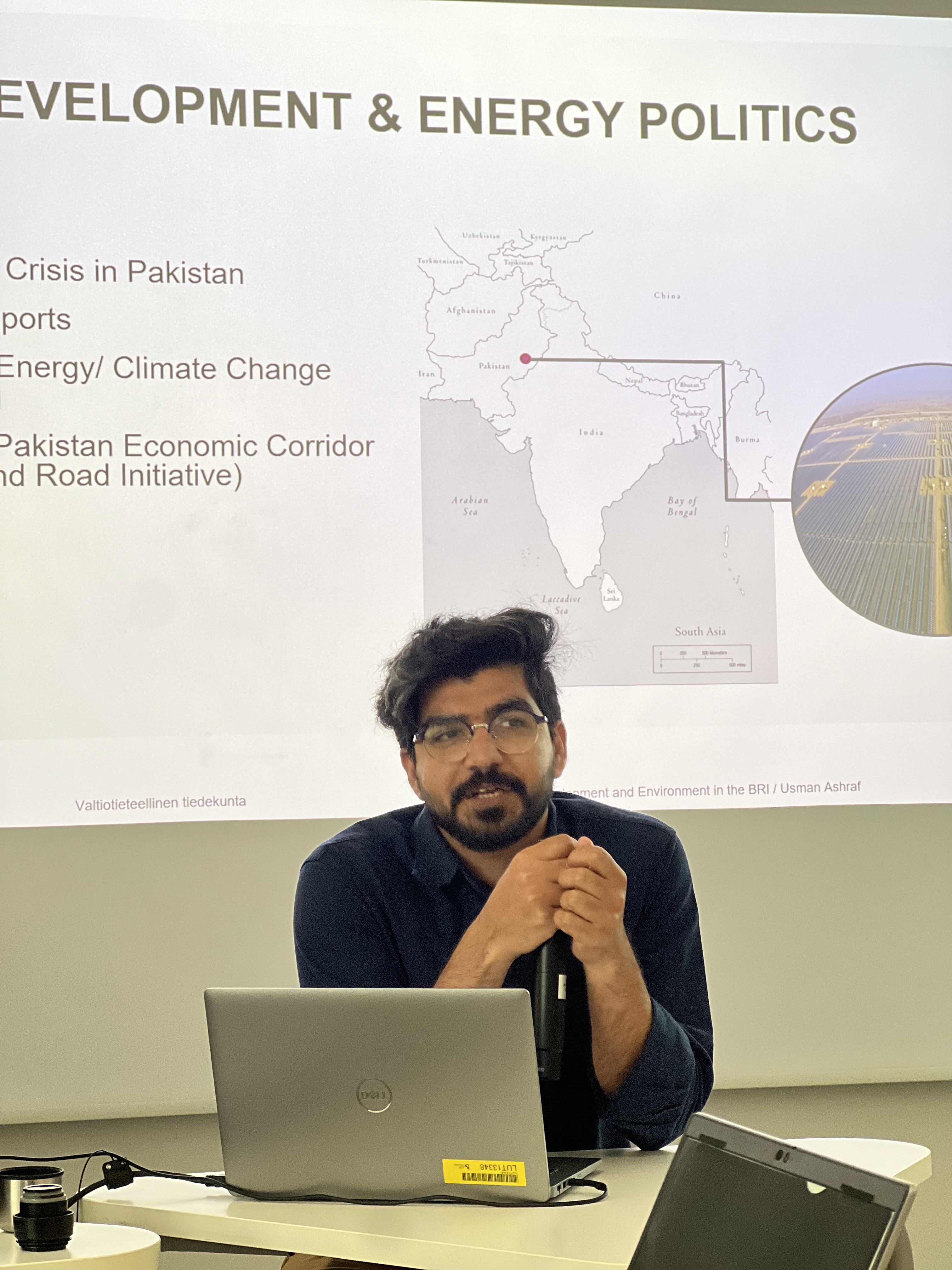
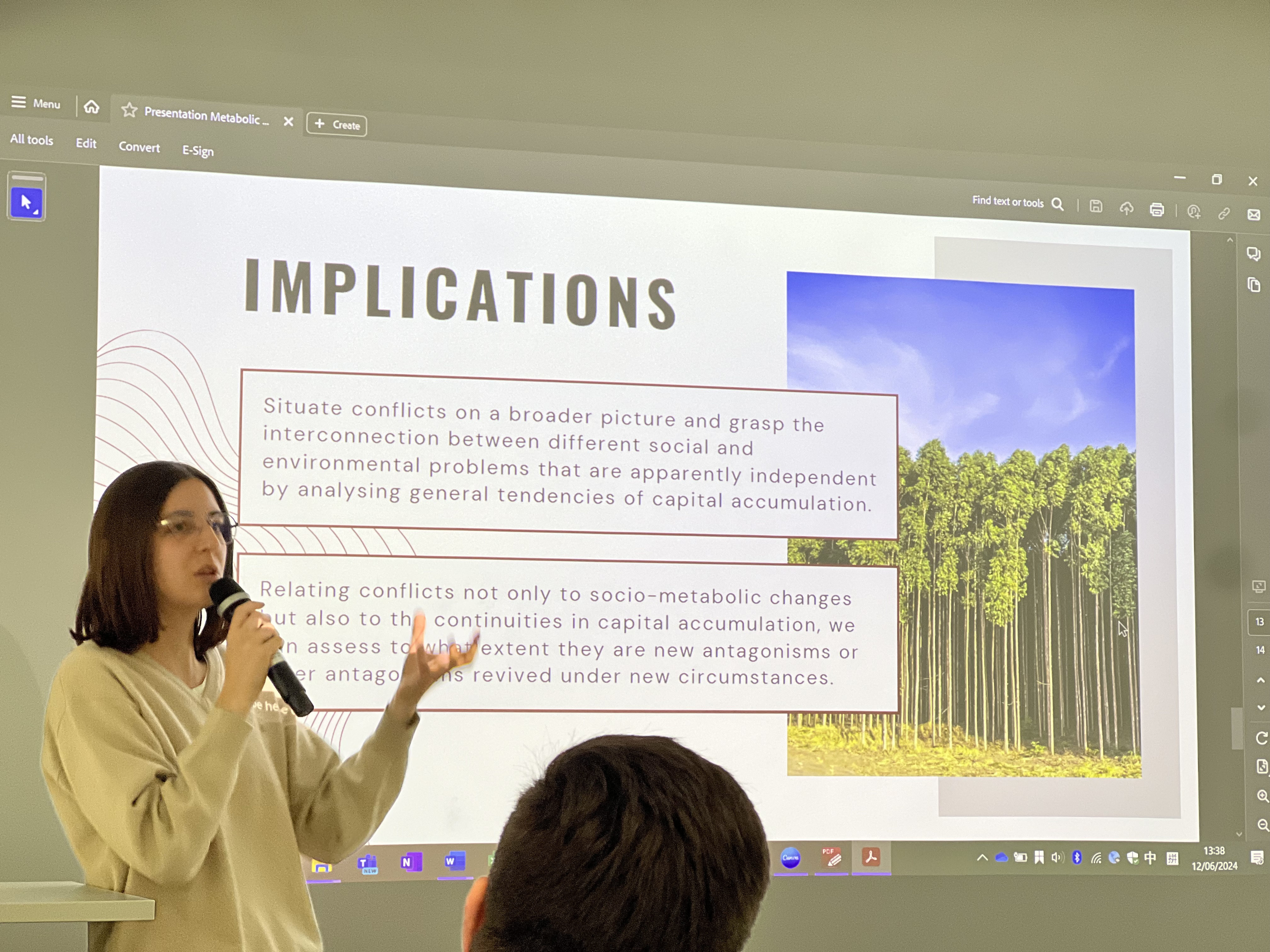
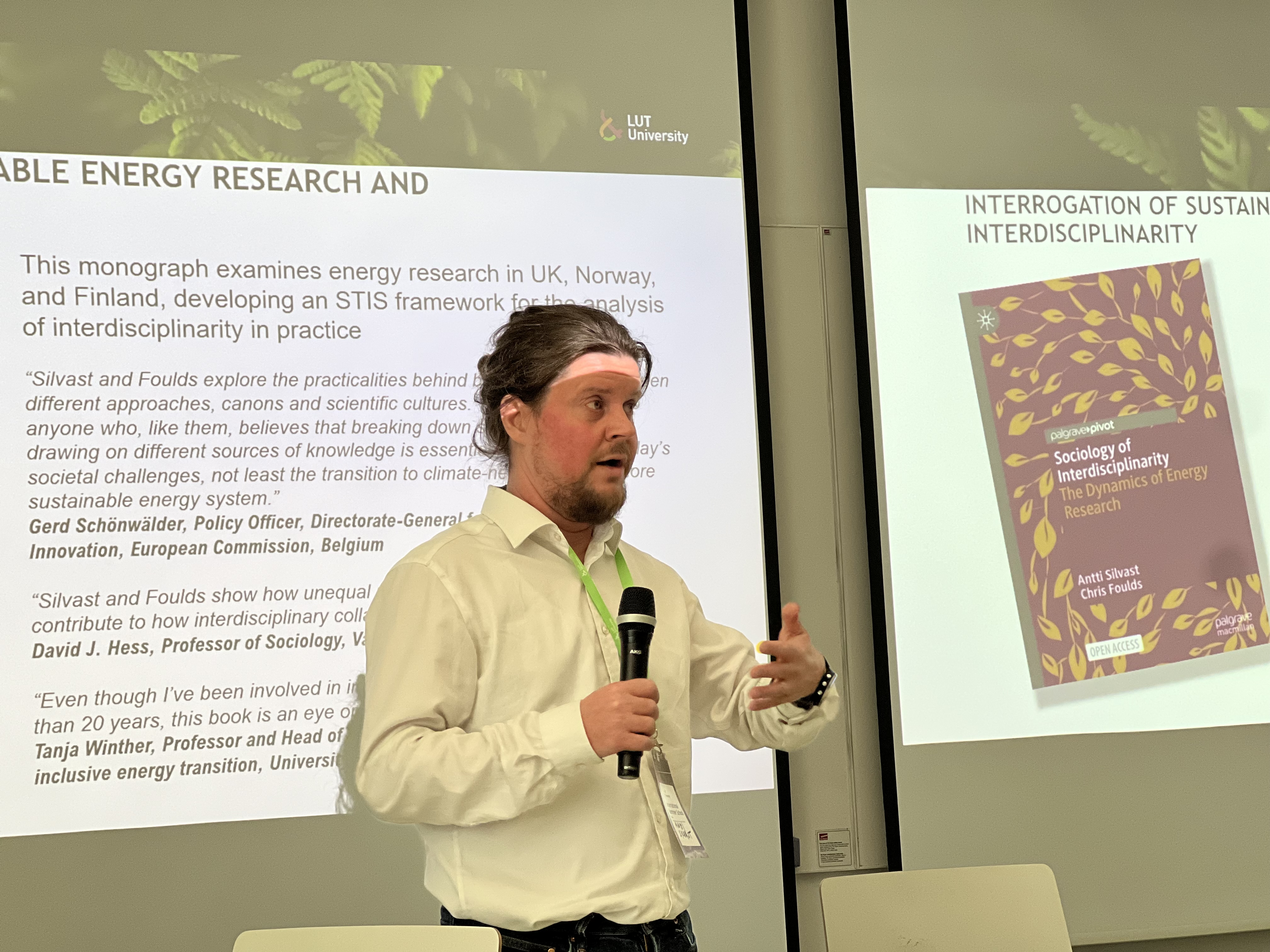
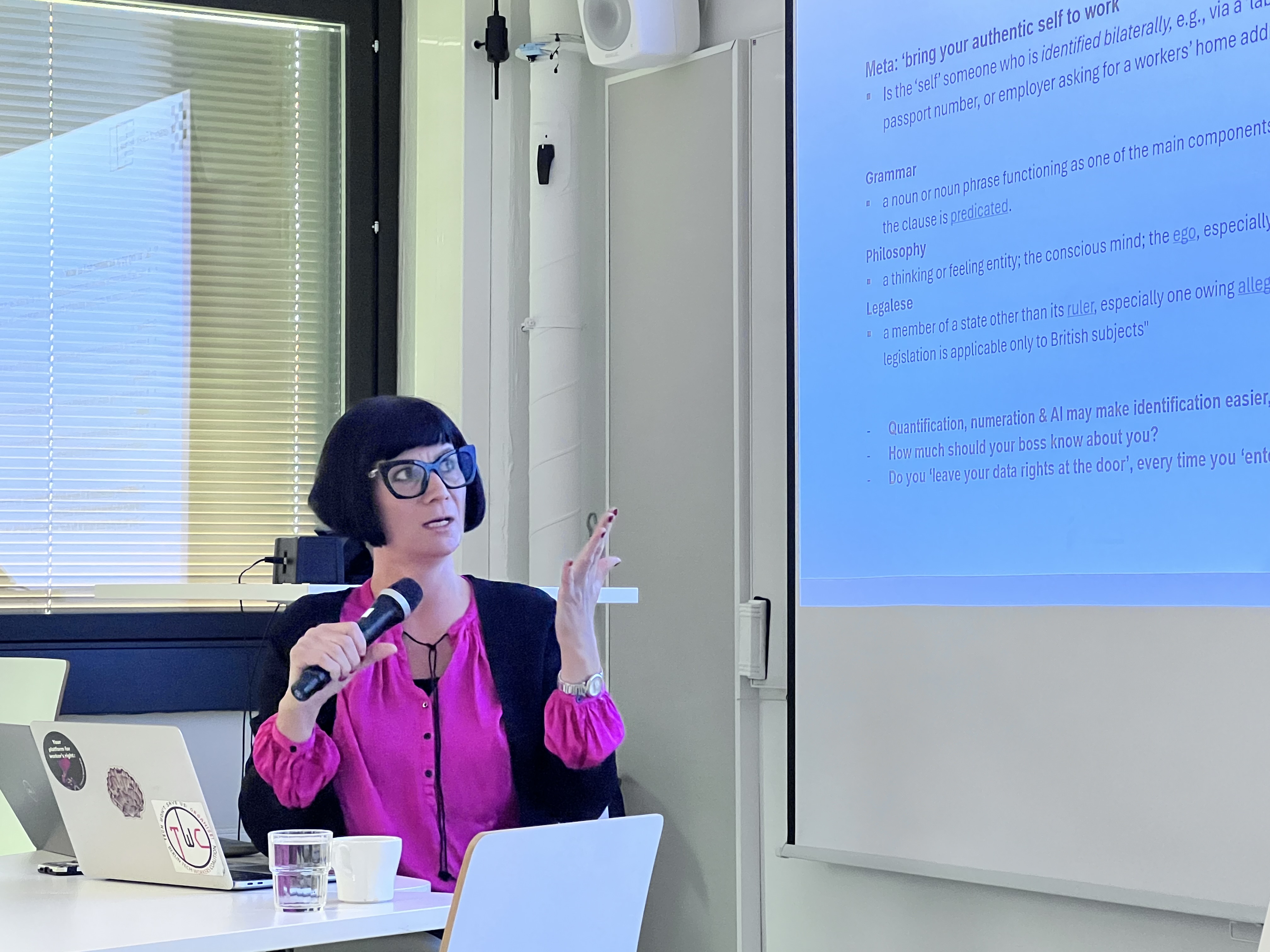
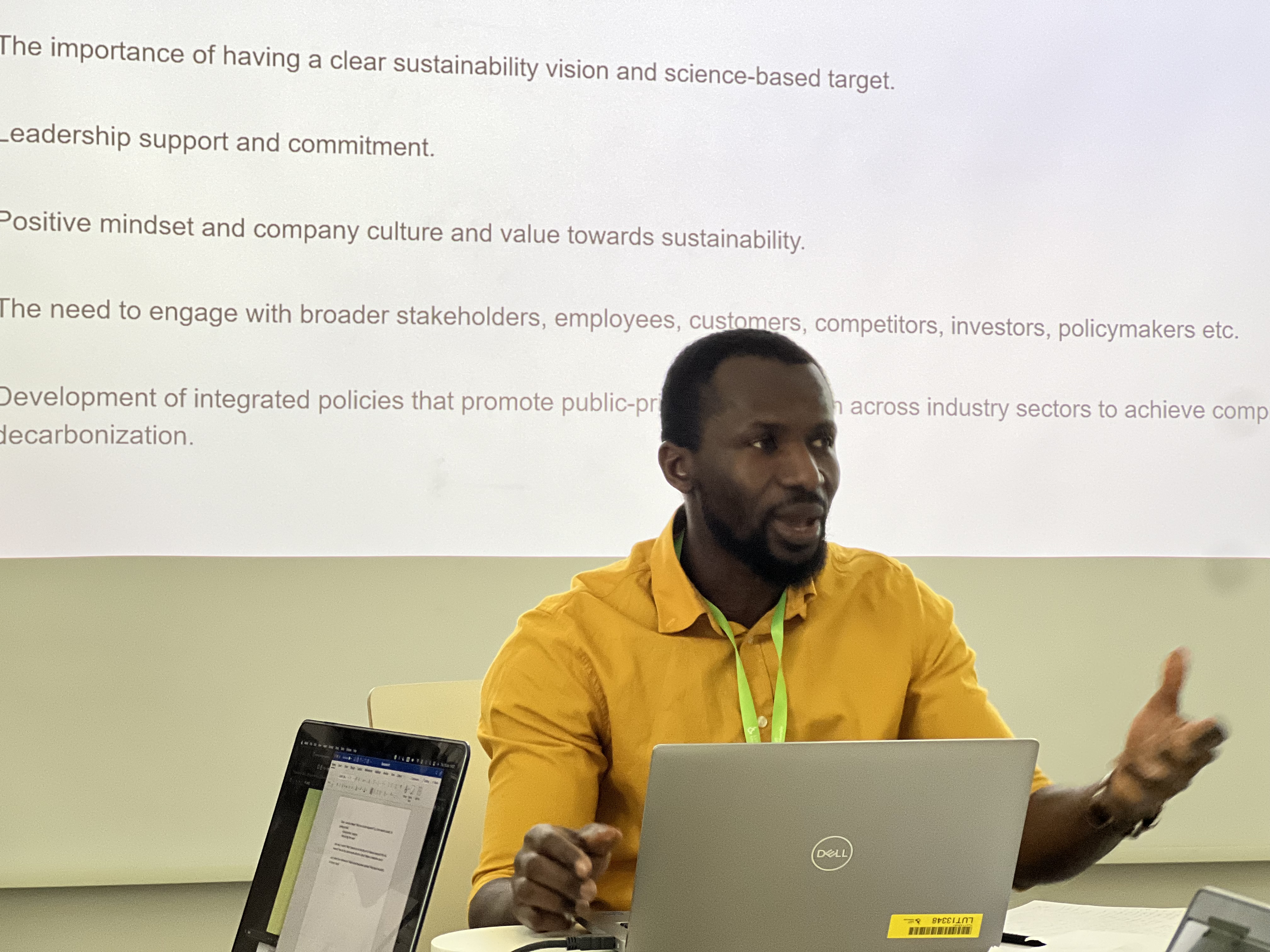
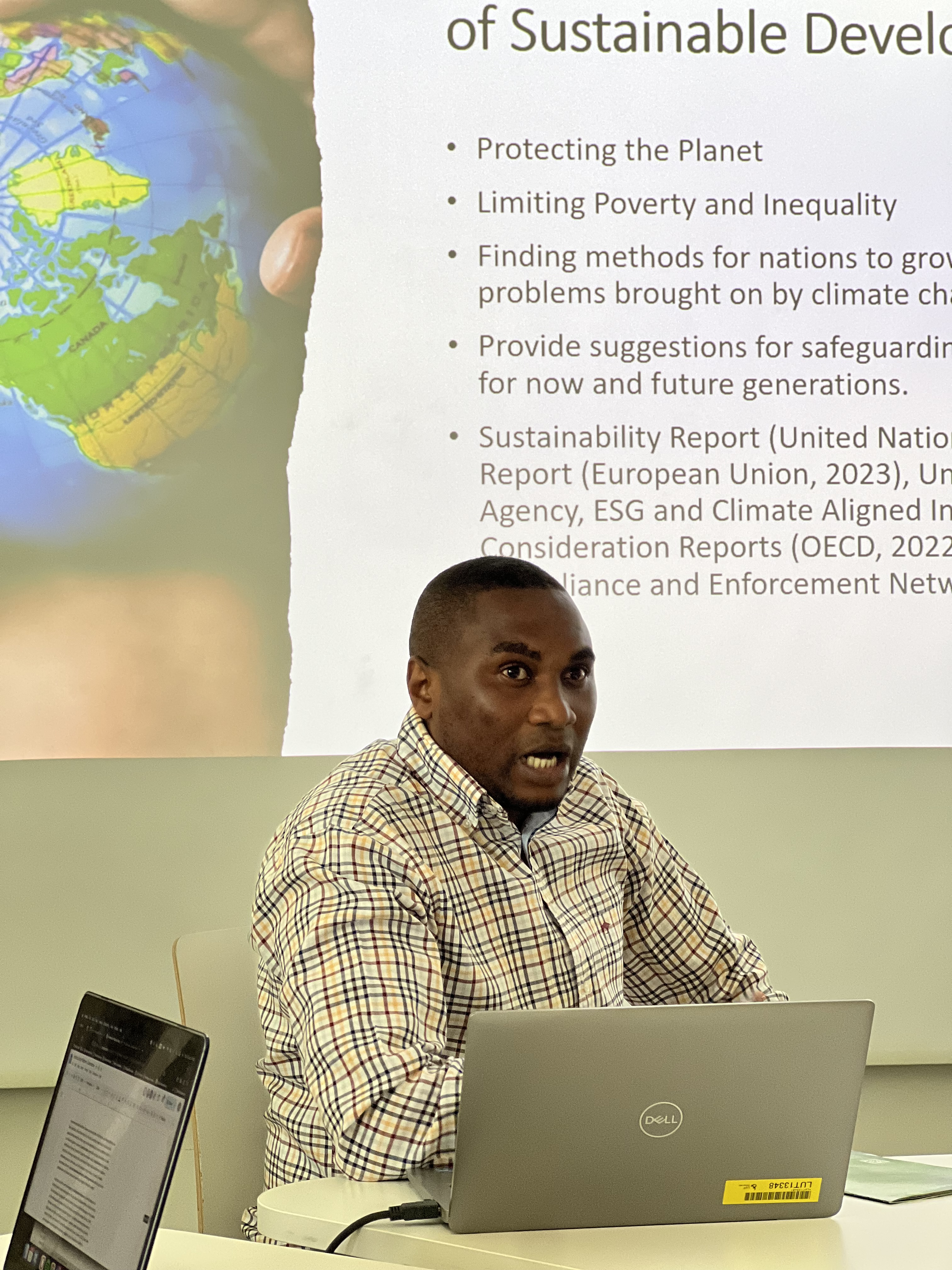
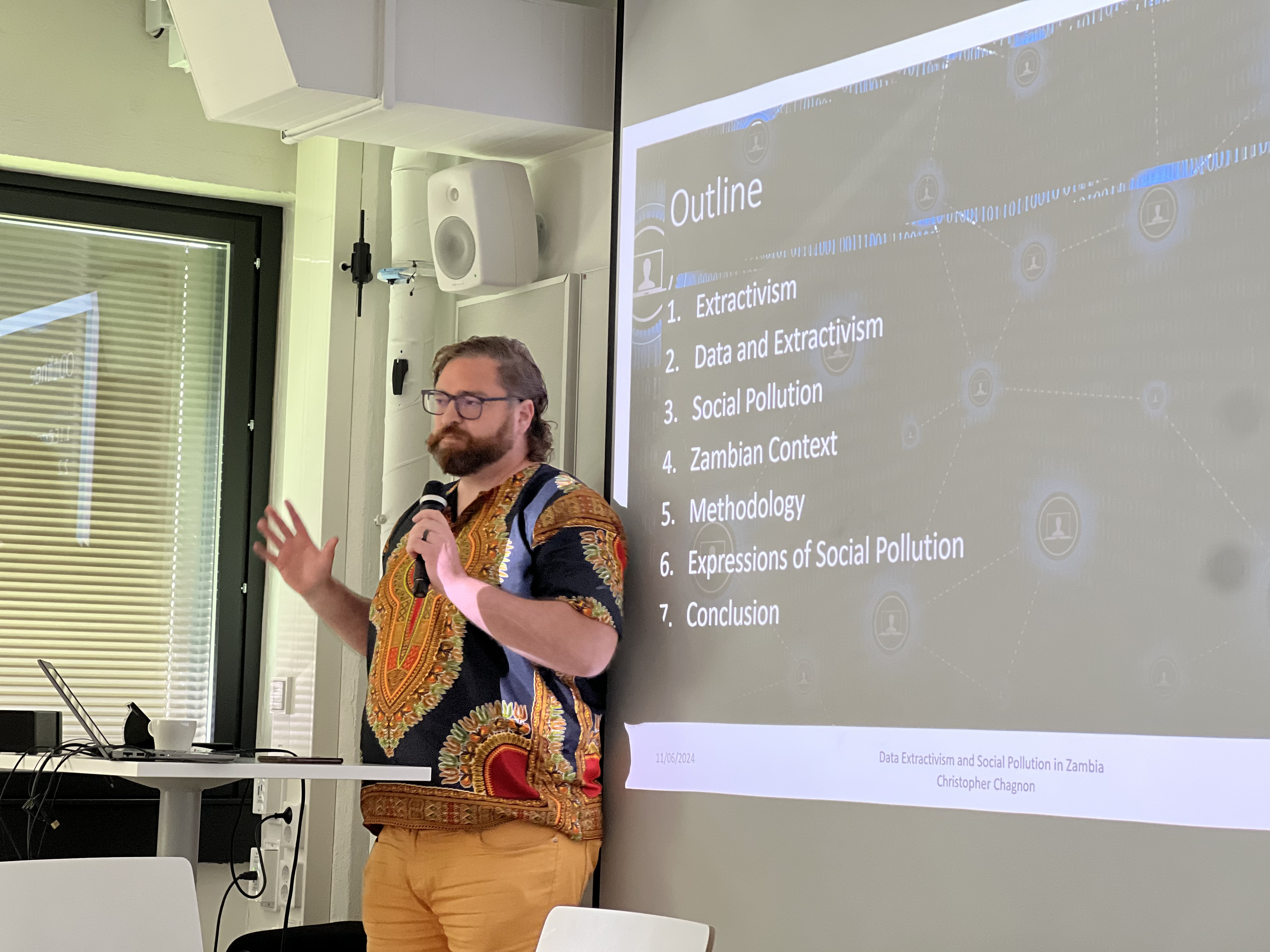
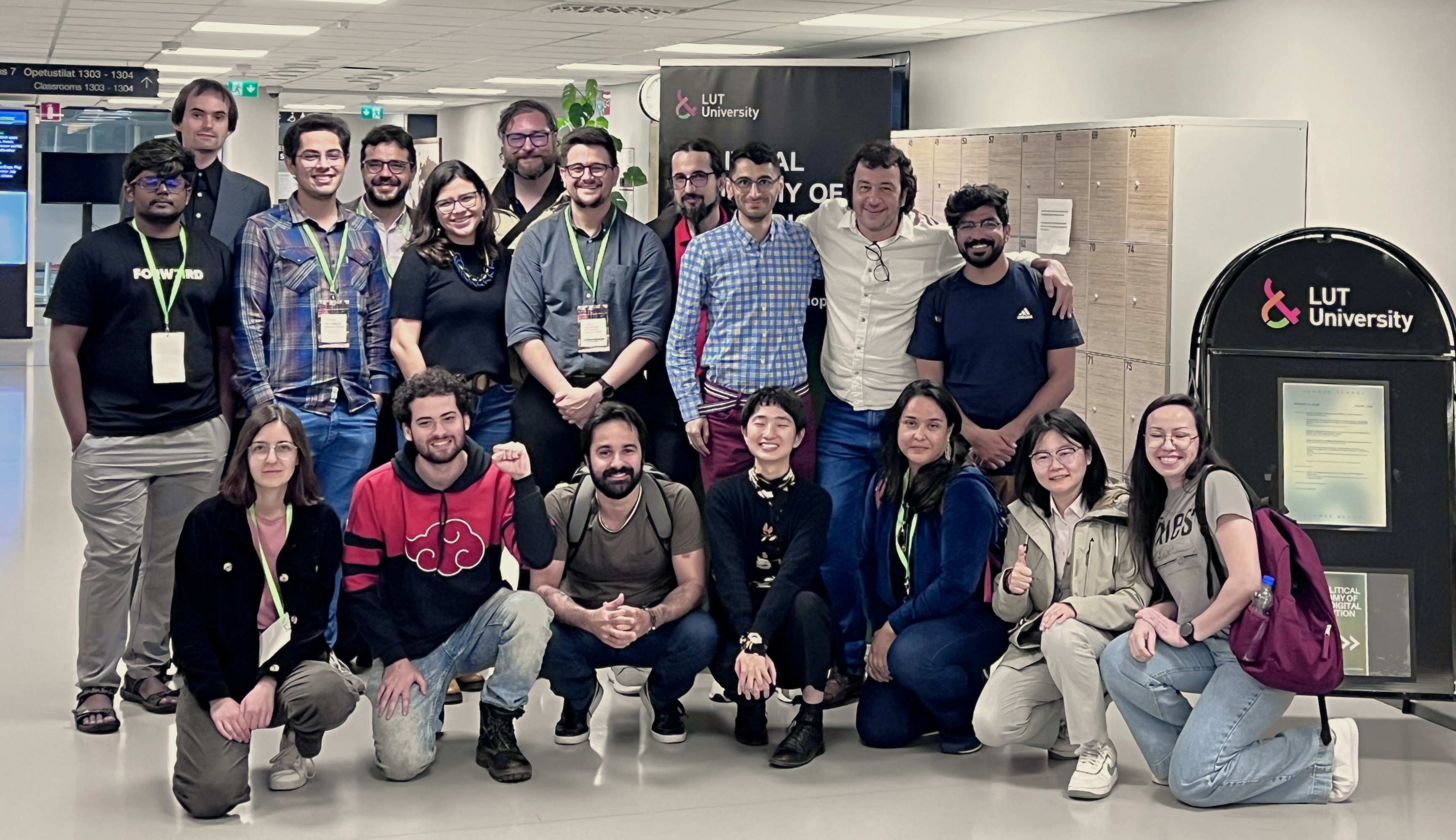
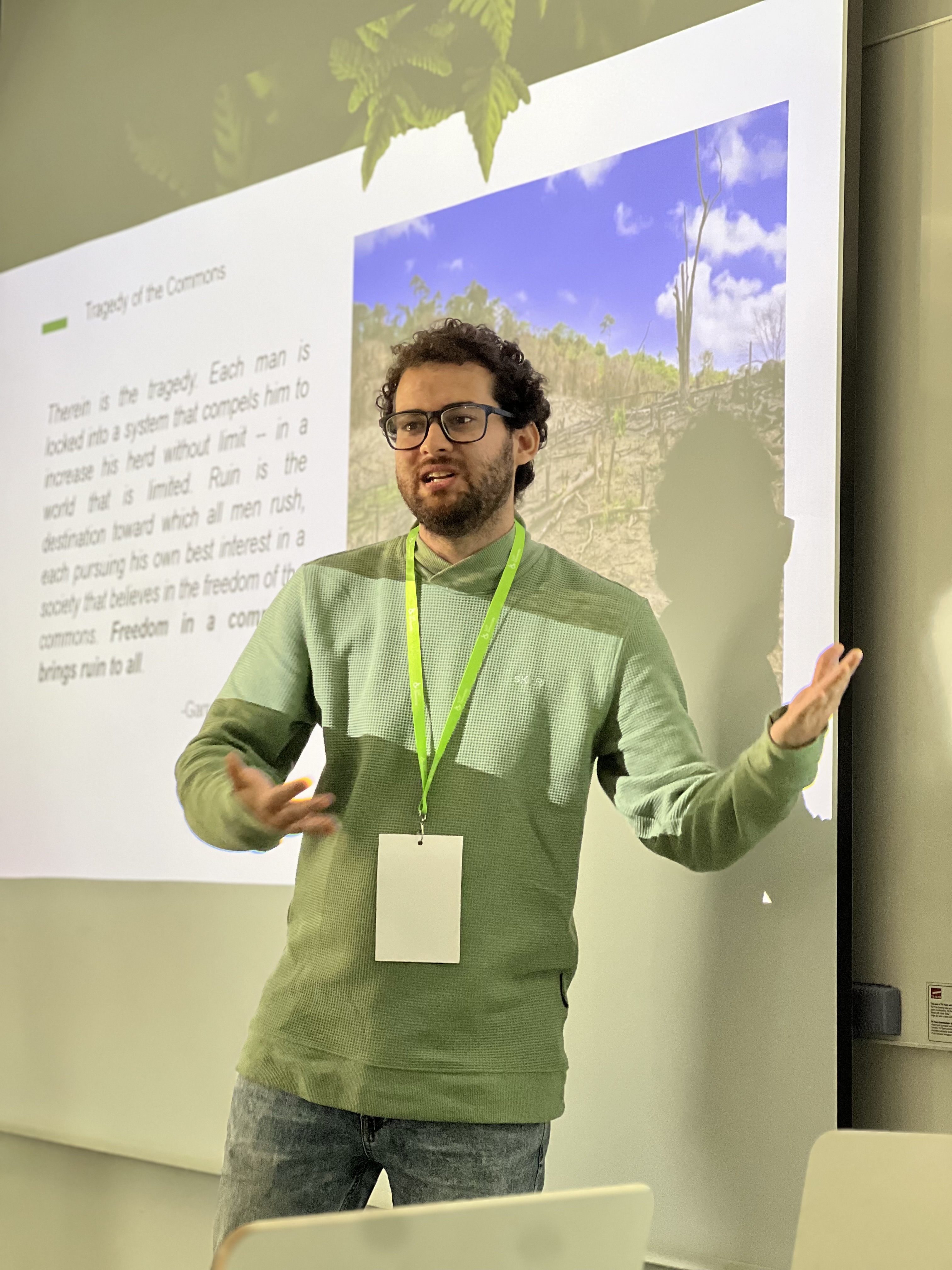
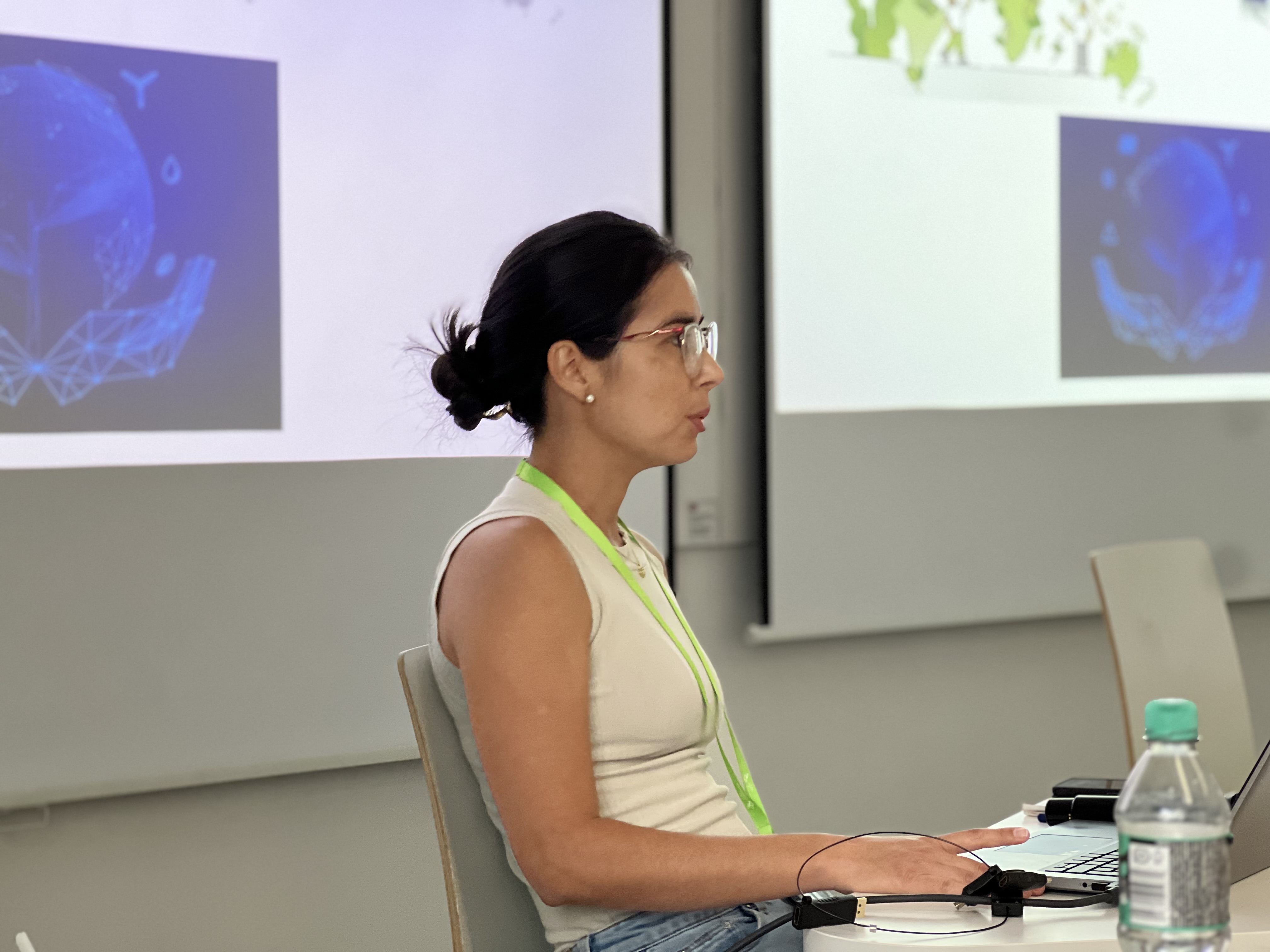
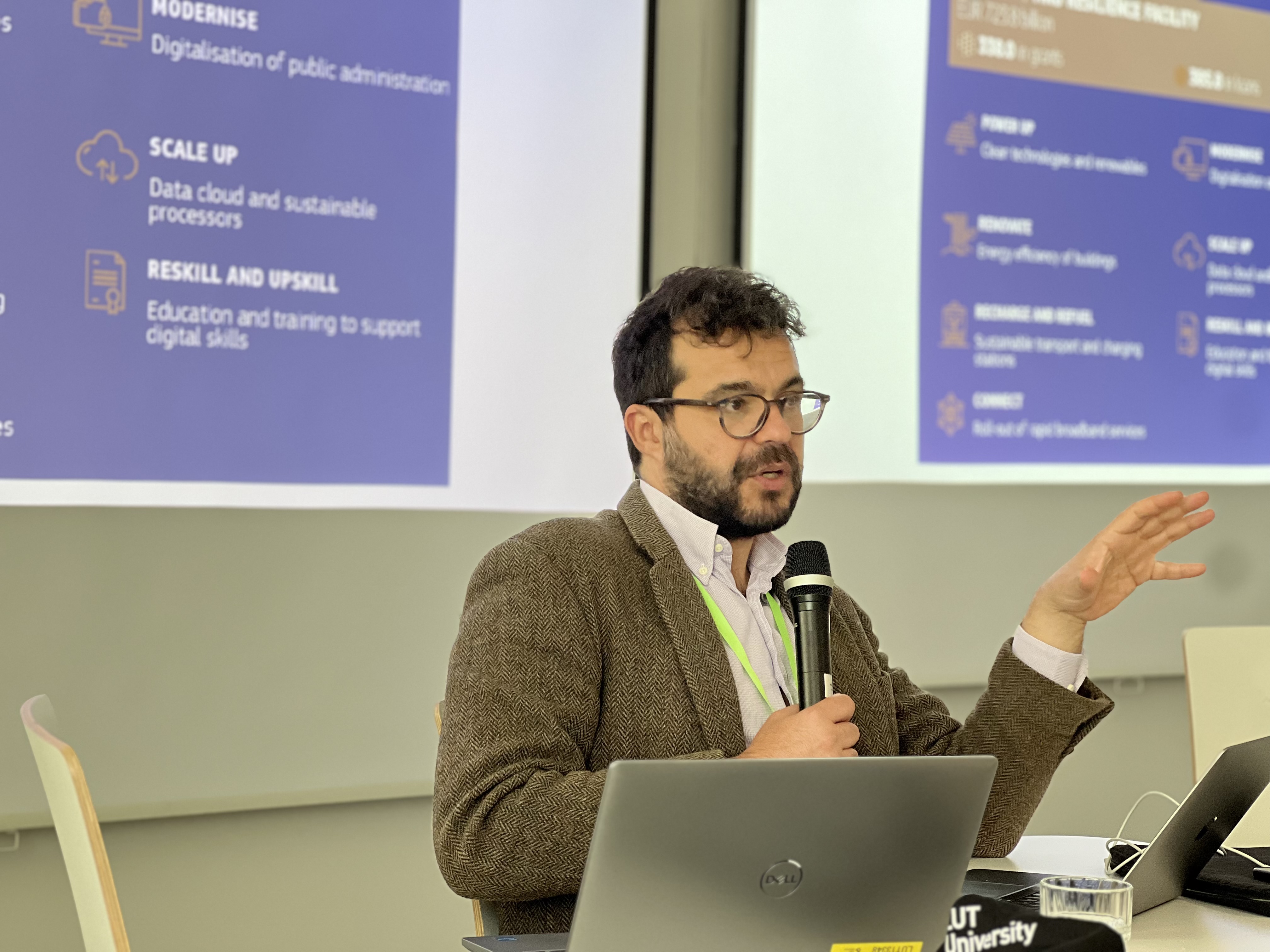
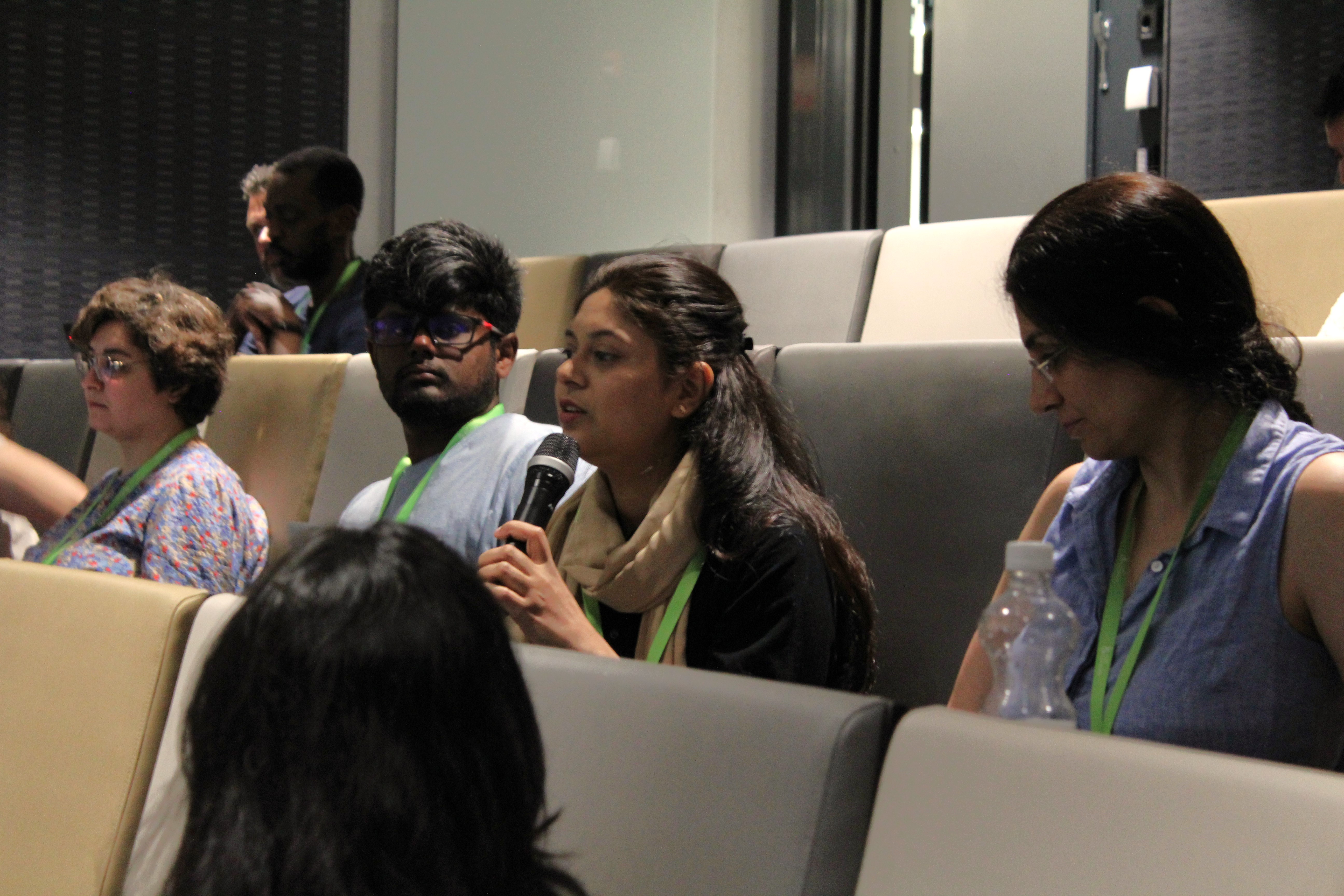
In addition to senior scholars’ presentations, early career researchers presented their work under five themes: AI, Platform Capitalism and Commons-Based Economies; Critical Approaches to Digital Capitalism; Theories and Practices of Green-Energy Transition; Datafication and Institutional Responsibility Towards Sustainability; and Energy Efficiency, Governance and Sustainable Materials. The young researchers received personalised feedback and clarifying questions to help them develop their work further. It was a great start for an important network on the critical analysis of the green and digital transition from different perspectives.
Outside of the intense intellectual engagements, we had plenty of activities together outdoors by the lake, in the saunas, along the harbour, over lunch and dinner, and even in karaoke where new friendships were fostered and lasting memories created.
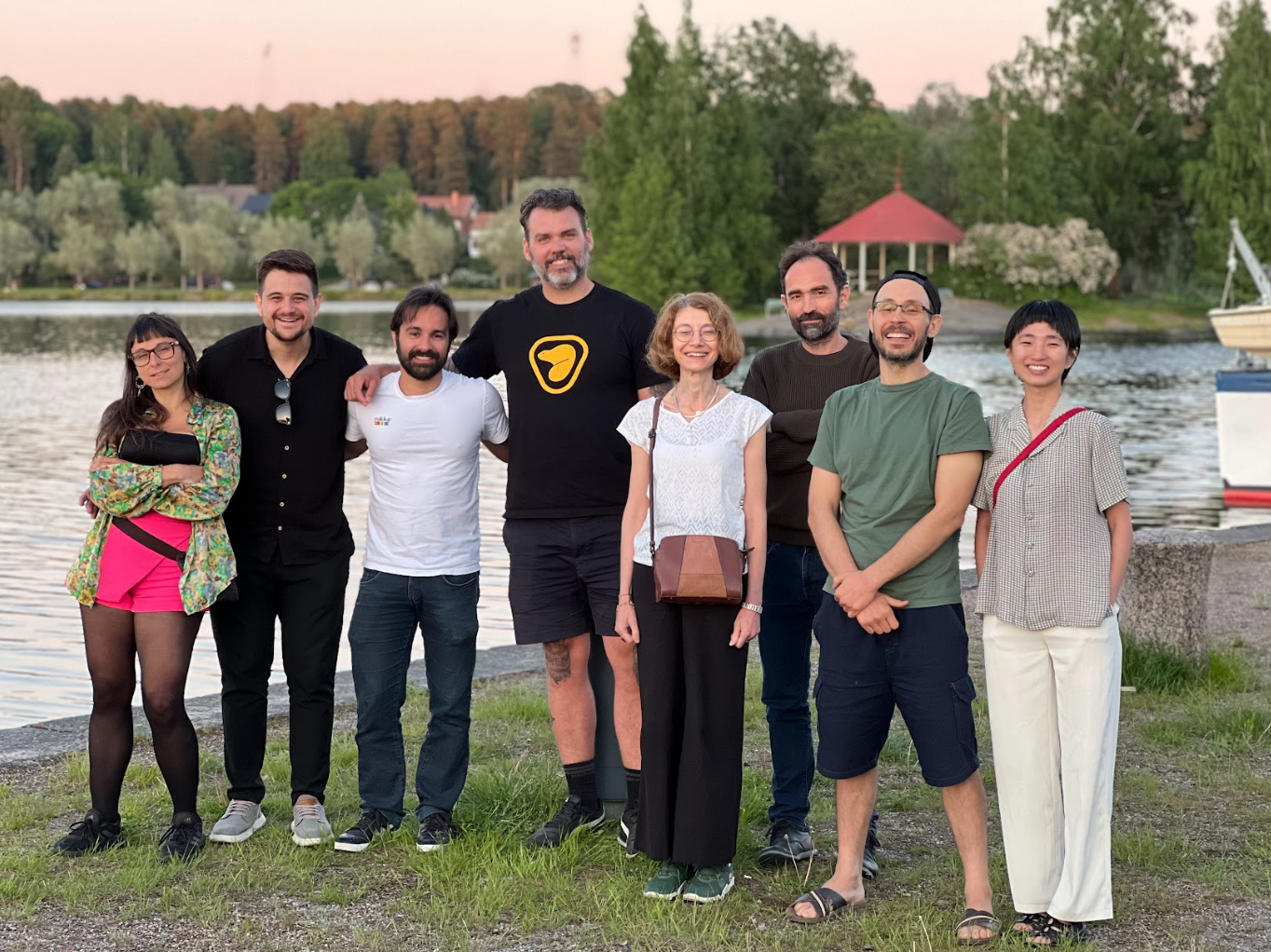
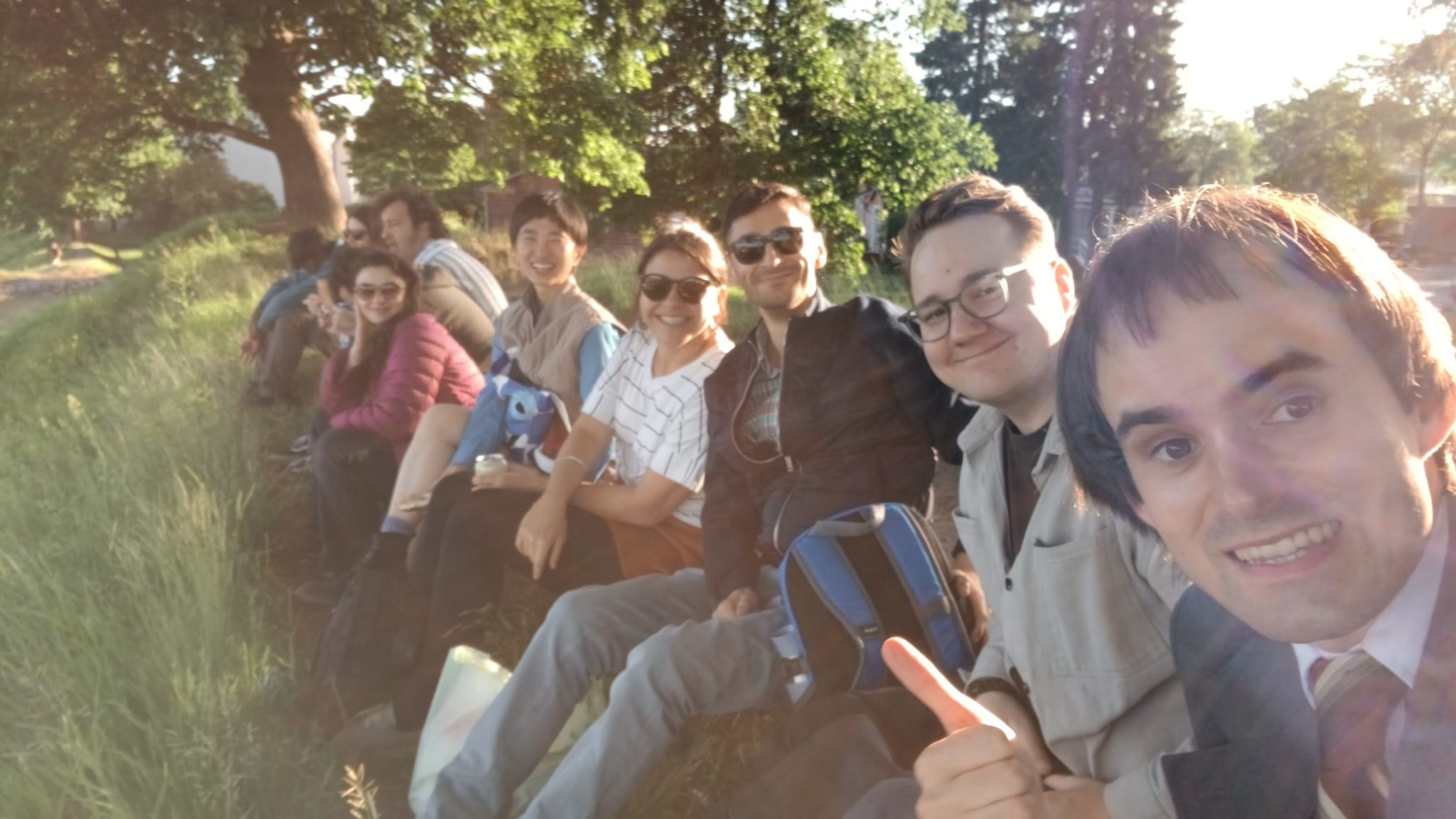
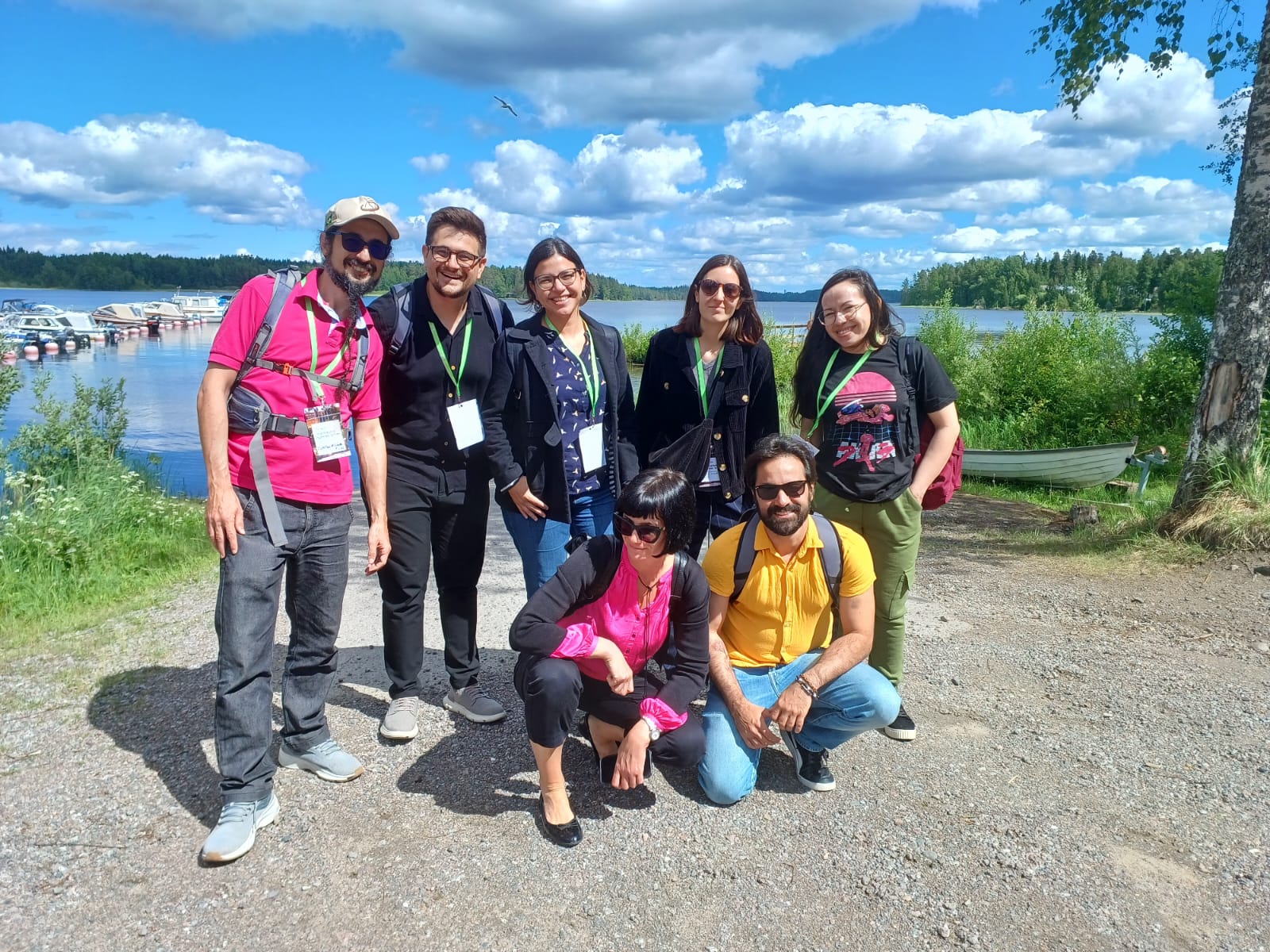
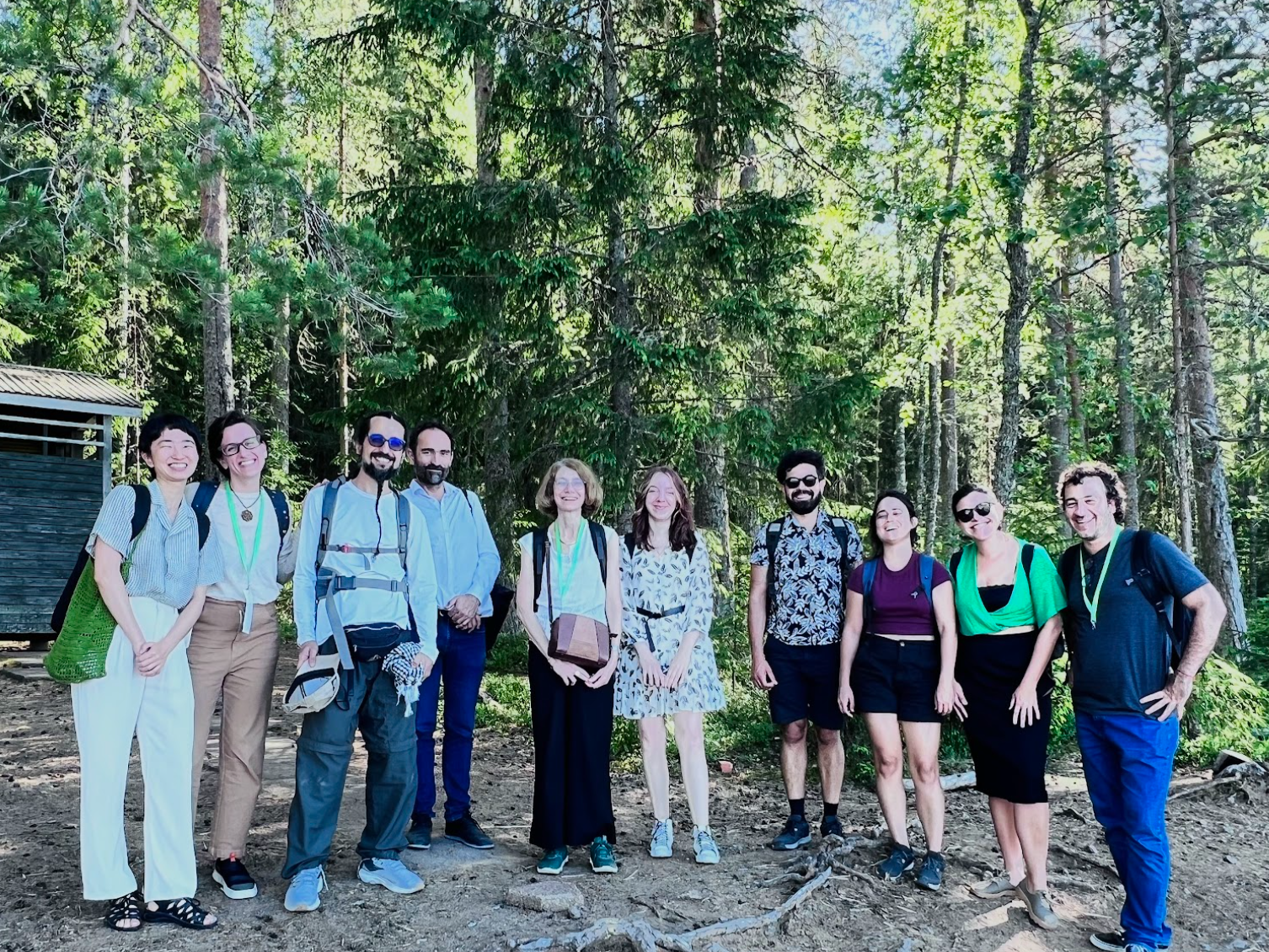
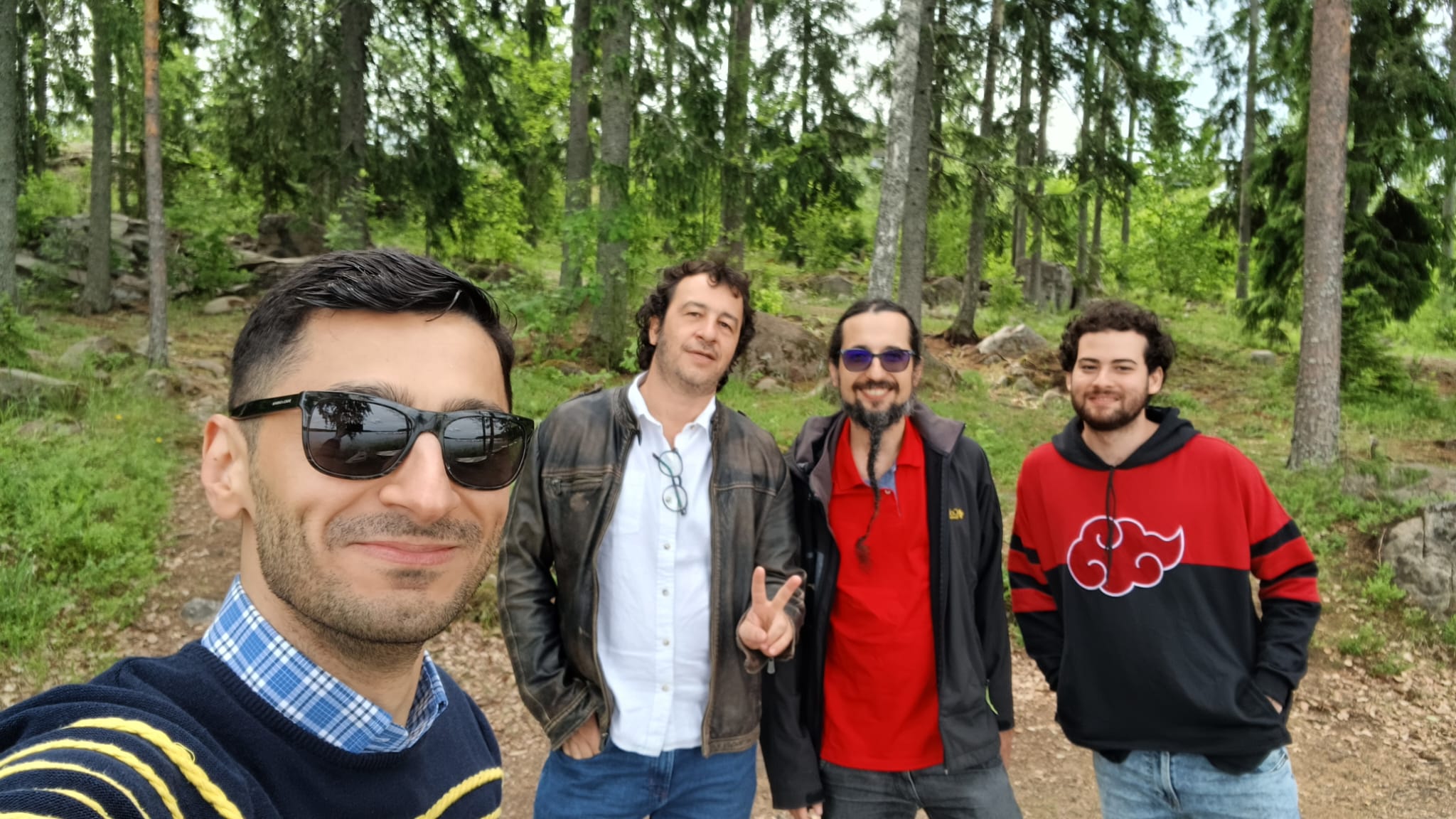
By the end of the event, most of the invited speakers committed to contributing to a Special Issue on the Political Economy of Green Digital Transition, to be published in the journal Globalizations.
***
Voices from participants
Marta Vallvé Navarro
PhD researcher, Autonomous University of Barcelona, Spain
This Summer School was an extraordinarily enriching experience. The presentations by the hosting researchers and invited scholars were of the utmost interest and relevance. Moreover, it provided a great opportunity for young scholars like me to present our work to a sophisticated yet friendly audience, whose discussions were extremely useful. The stunning natural surroundings, coupled with the time spent with the exceptional participants and organisers, added an extra layer of inspiration that is not easy to describe.
Oscar Arruda d’Alva
PhD researcher, Federal University of Ceará, Brazil
The International Workshop and Summer School provided exceptional learning and networking opportunities, along with immersive experiences in Finnish nature and culture. The high caliber of the guest researchers’ lectures, particularly their presentations of ongoing research, was truly impressive. This facilitated rich debates with peers and other participants. The organizers are to be congratulated on the initiative and for providing opportunities for Brazilian researchers to engage with greater research internationalisation.
Adrian Ortega Camera Lind
PhD researcher, Beijing Normal University, China
Taking part in the International Workshop and Summer School with some of best critical scholars out there educated me and brought much new knowledge and perspectives to some of the most important and complex challenges faced by humanity today related to energy and technology. It is precisely excellent high-end academic events like these and the ground breaking research that they bring that not only helps put LUT on the world map, but also help us address real issues in the world.
Christopher Chagnon
PhD researcher, University of Helsinki, Finland
This Workshop and Summer School were, for me, one of (if not) the best events I’ve participated in during my doctorate. The speakers and feedback were excellent, and it was the first time attending something where I felt like my research was actually at home instead of tacked on. It was really enriching and led to some real possibilities for future collaboration.
Atilla Kılınç
Researcher, Istanbul Technical University, Turkey
The experience at LUT contributed to my ability to evaluate and harmonize various perspectives in a group of people with diverse experiences and perspectives on green-digital transition-related research. The experience contributed to the development of my understanding of transition research.
Zhen Zeng
PhD researcher, University of Helsinki, Finland
The Workshop was incredibly well-structured, with a diverse and engaging range of topics that made the concept of digital green transition much more comprehensive to me. Additionally, the welcoming atmosphere and beautiful natural surroundings created a peaceful and inspiring environment.
The International Workshop & Summer School on the Political Economy of Green-Digital Transition was supported by the Finnish National Agency for Education, The Economic Education Foundation, Academy of Finland, and Alameda Institute.
Updated on 19 June 2024.
 rgets.org